

Explore Ryogoku
Discover the Home of Sumo and the Spirit of Old Tokyo
Ryogoku, Tokyo is the heart of sumo, famous for the Kokugikan arena and sumo stables.
Rich in Edo history, it offers local charm and famous dishes like chanko hot pot.
Discover the unique appeal of Ryogoku, the home of SUMOLAND.
Where is Ryogoku?
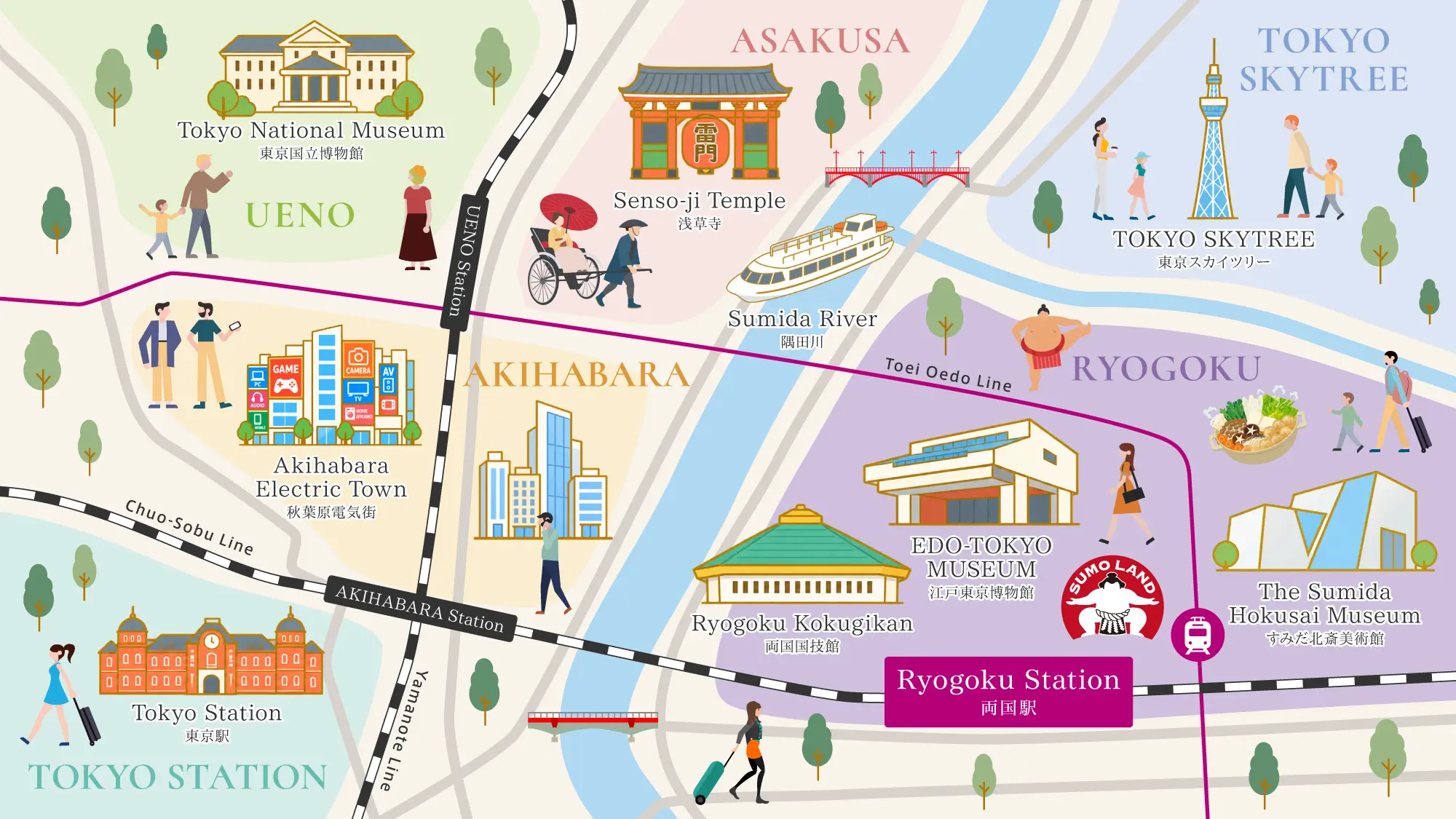
Ryogoku is conveniently located for exploring Tokyo’s major tourist areas.
It is served by two train lines—the JR Chuo-Sobu Line and the Toei Oedo Line—making it easy to reach popular destinations such as Tokyo Station, Asakusa, Ueno, Akihabara, and Shinjuku within 15 minutes by train.
Easy Access from
Tokyo’s Top Attractions
-
15 min by taxi
Tokyo Skytree
-
10 min by taxi
Ginza
-
15 min by train
Asakusa
-
10 min by train
Ueno
-
4 min by train
Akihabara
-
15 min by train
Shinjuku


What is
Ryogoku Like?
The Heartland of Sumo
Ryogoku is renowned as the beating heart of Japanese sumo.
It is home to the Ryogoku Kokugikan—where major ozumo tournaments are held—as well as numerous sumo stables.
With deep ties to sumo dating back to the Edo period, the area is dotted with historic sites where visitors can immerse themselves in the culture of the sport, including Ekoin Temple and Nomi no Sukune Shrine.
Up Close with
Sumo Wrestlers
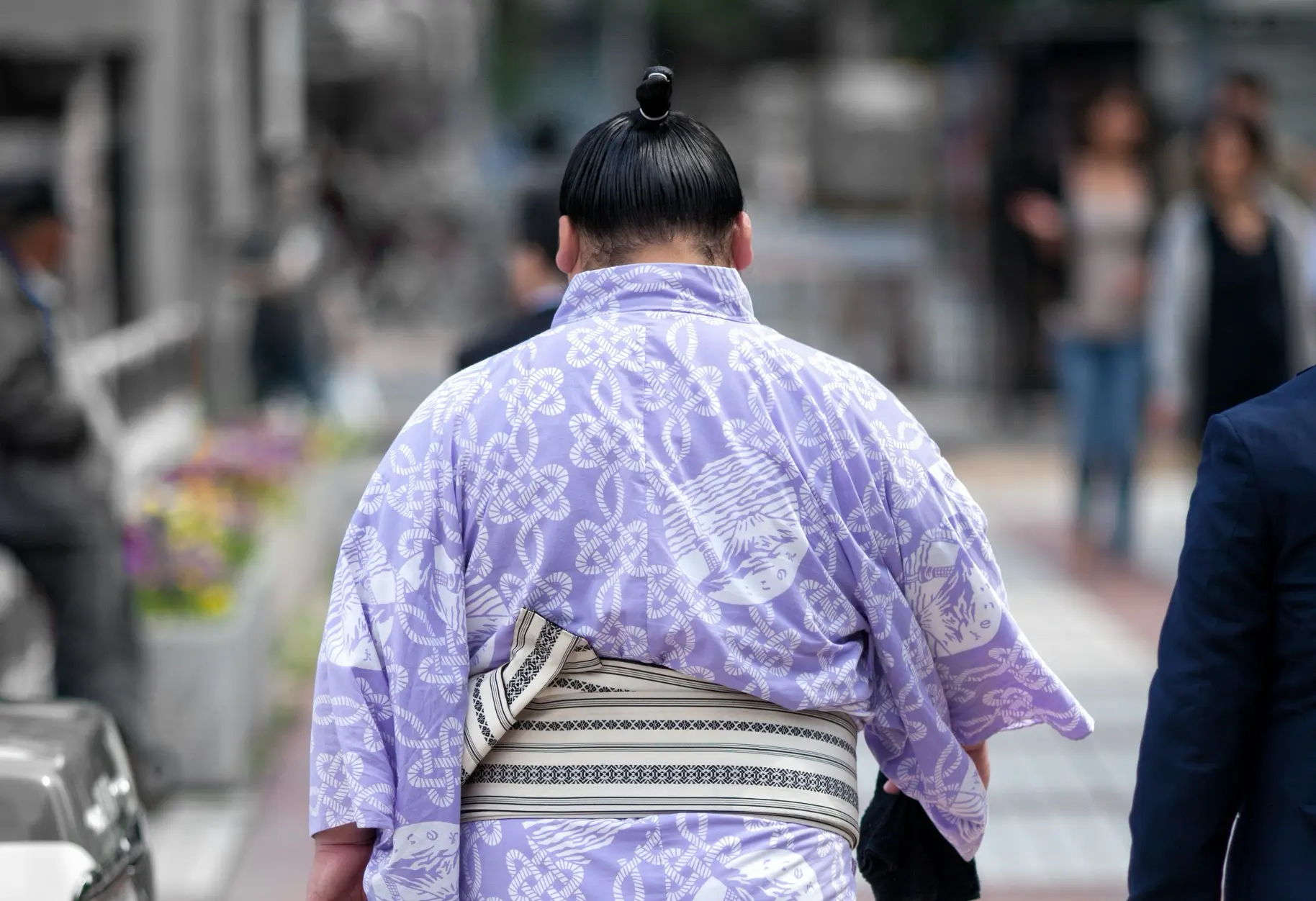
With so many sumo stables in Ryogoku, you might just run into sumo wrestlers during their downtime.
They are often seen wearing yukata, traditional Japanese casual robes. Sumo wrestlers in the top Makuuchi division have the exclusive privilege of designing personalized yukata featuring their own ring names and custom patterns.
If you spot wrestlers strolling by in a stylish yukata with a unique pattern, consider yourself lucky!
It is one of the truly special sights you can experience while exploring Ryogoku.
Where Tradition
Meets Modern Flavor
Ryogoku is an exciting intersection of history and modern life, where sumo culture can be felt around every corner.
Beyond its rich tradition, it is a haven for food lovers, featuring historic eateries and authentic chanko hot pot restaurants run by retired sumo wrestlers.
Inside the renovated station building, Edo NOREN showcases a full-scale sumo ring, while the nearby Sumo Museum inside the Kokugikan adds to the area’s appeal. It is a vibrant destination where modern flavor and traditional culture seamlessly come together.
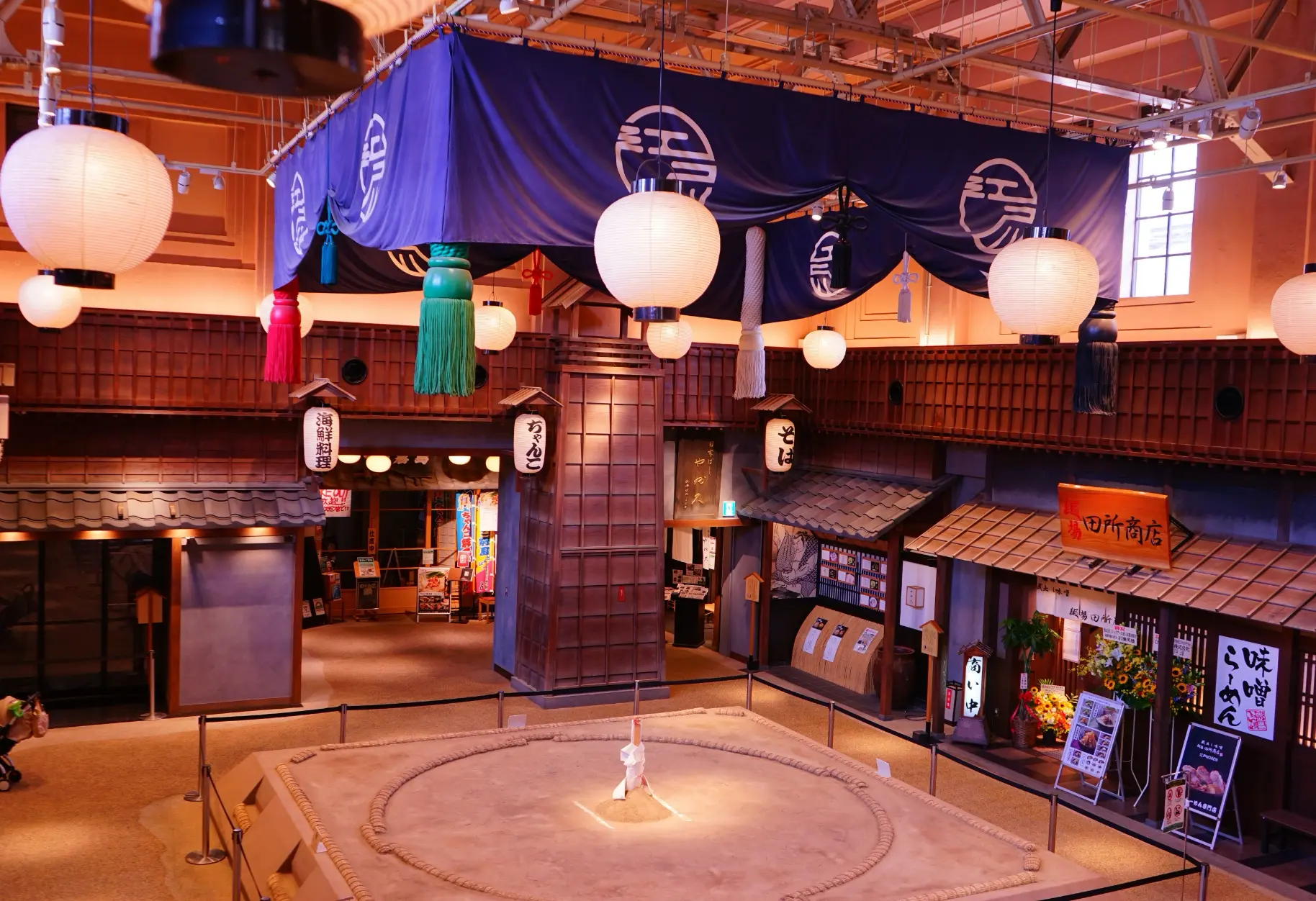
Sumo Culture
Is Everywhere
in Ryogoku
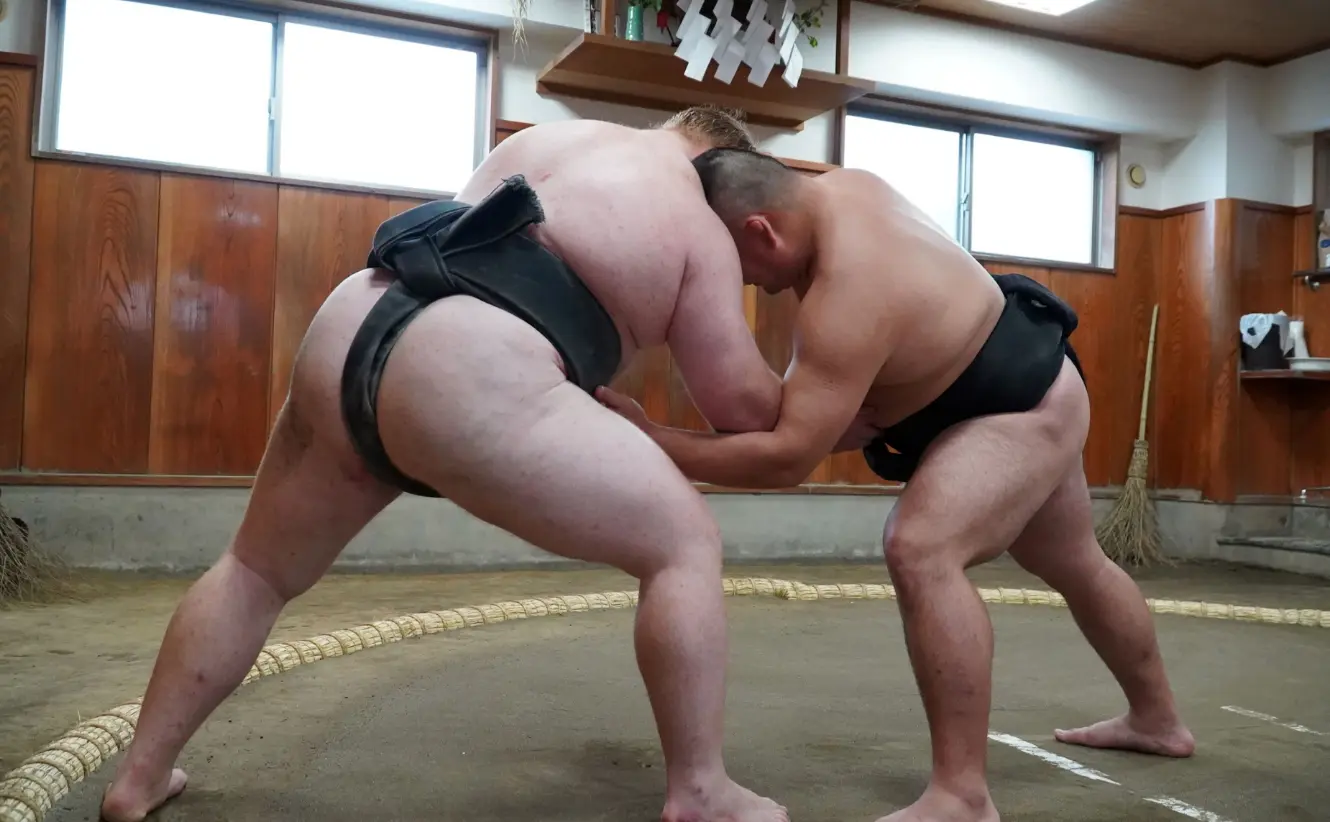
Sumo Stable

Powering up with nutritious chanko
hot pot after practice.
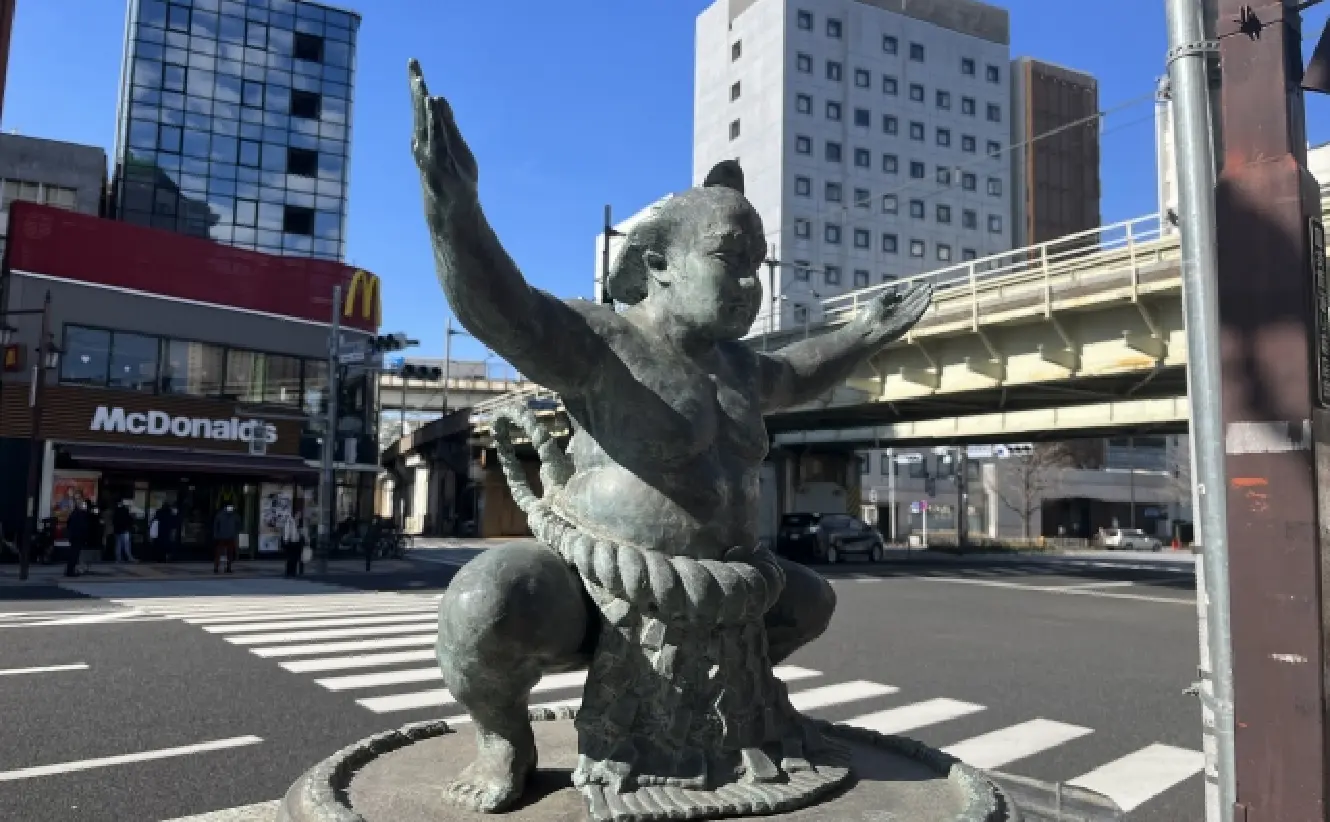
Statues of Sumo Wrestlers
Look out for wrestler statues
scattered across the district.
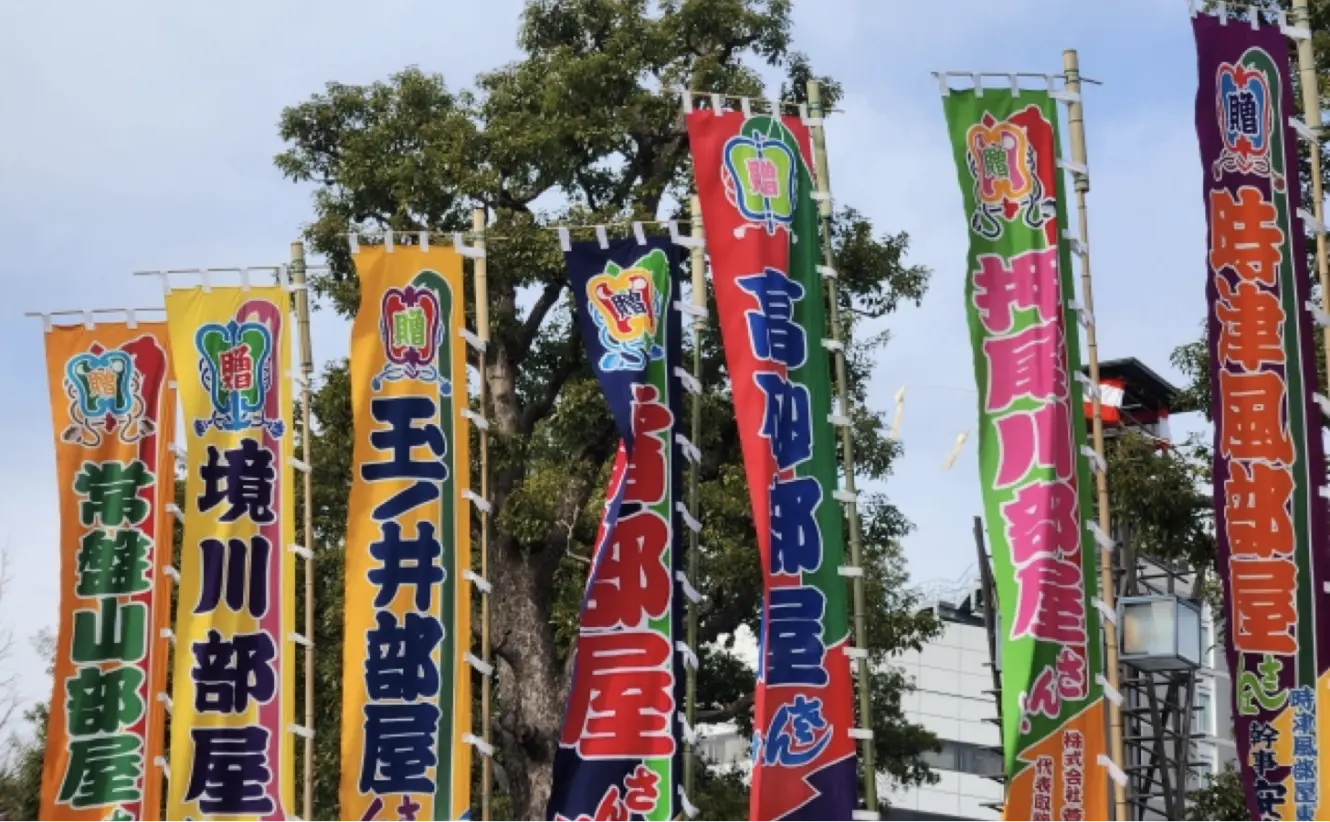
Banner Flags
Colorful banners displaying wrestlers’ names, adding a festive atmosphere to sumo venues and celebrating the wrestlers competing in the tournament.
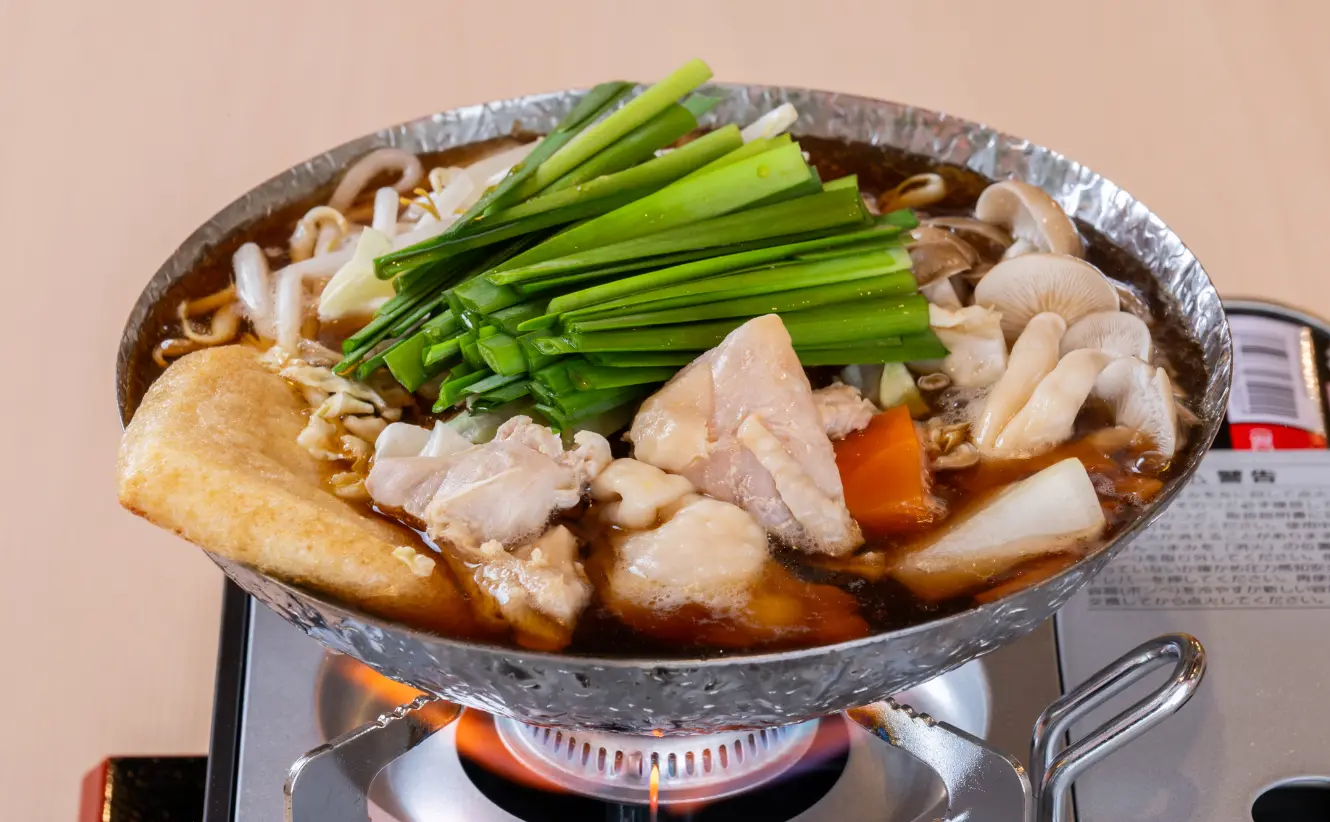
Chanko Hot Pot
Every sumo stable has its own secret
recipe for chanko hot pot.
Discover Ryogoku
Ryogoku is full of spots where you can experience Japan’s traditional culture and sumo history!
Take a stroll through the town and discover the charm of Ryogoku!
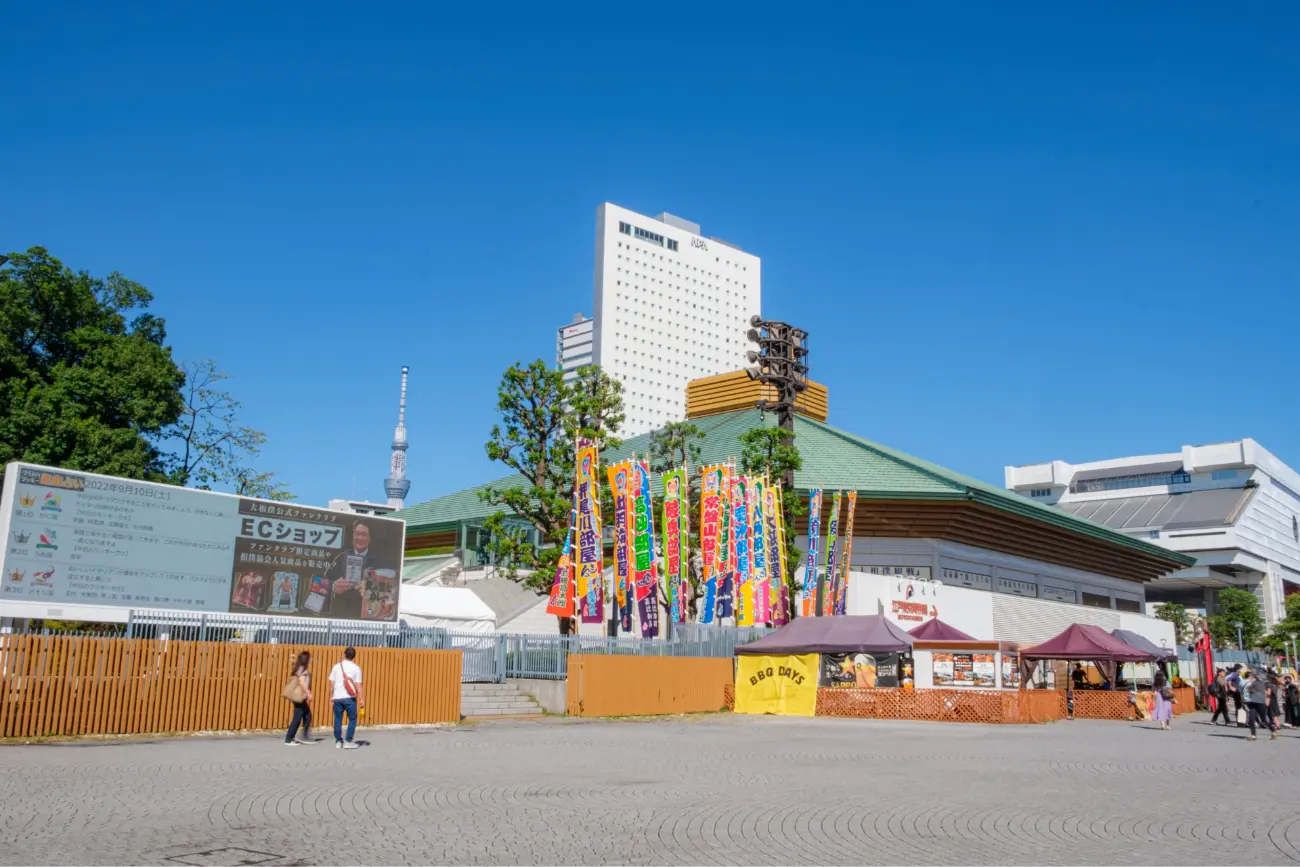
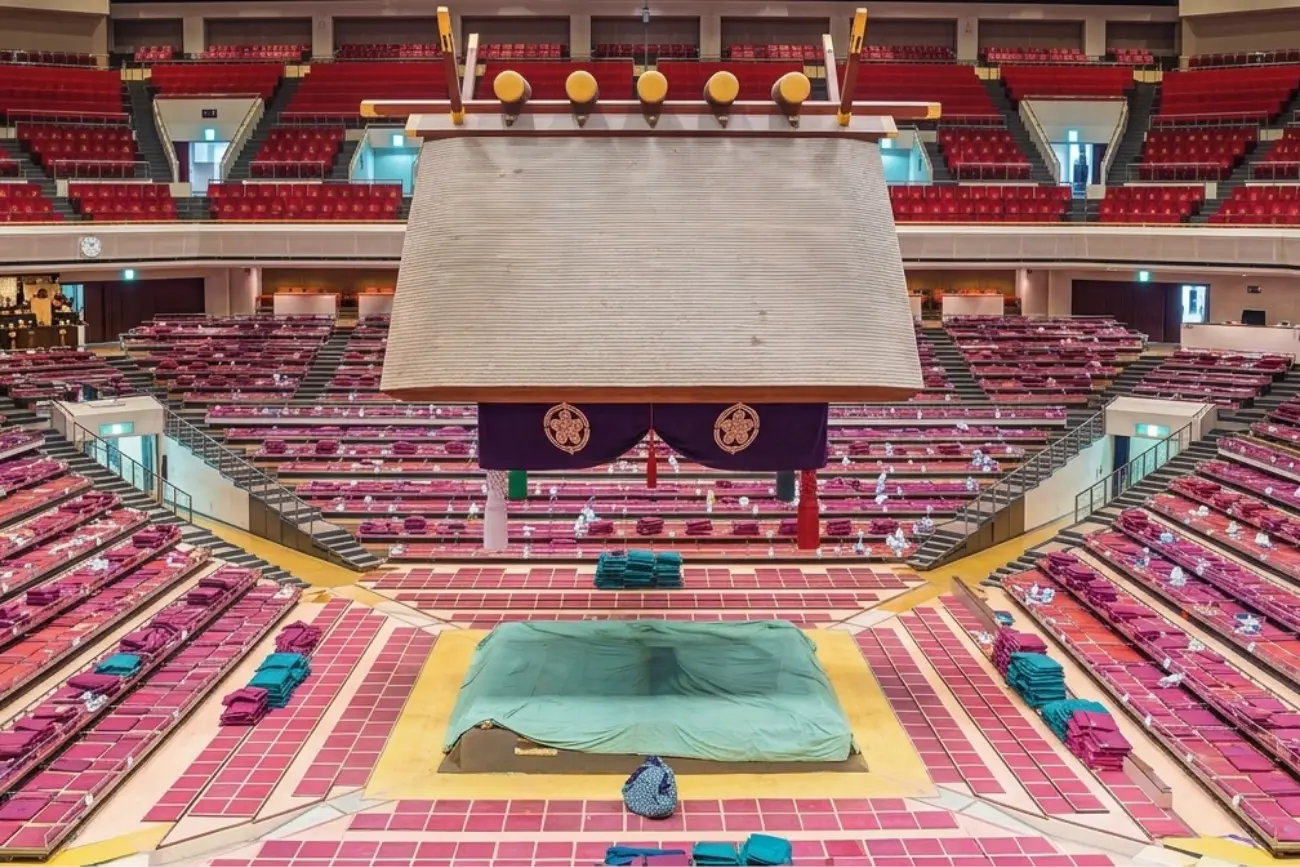
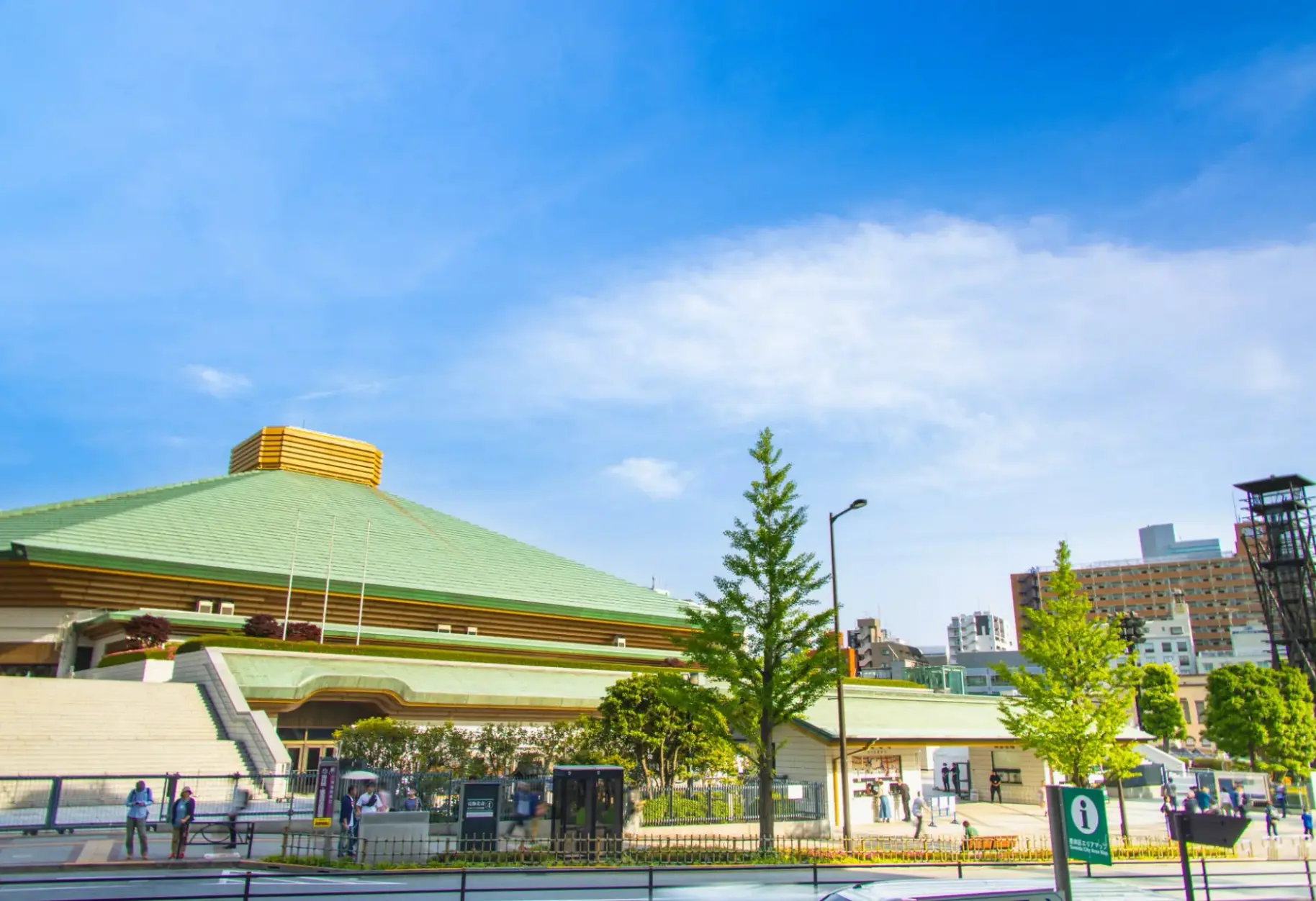
Ryogoku Kokugikan
Ryogoku Kokugikan is one of Japan’s most famous venues for sumo wrestling and the spiritual home of the sport.
Located in the heart of Ryogoku, it hosts three of the six annual Grand Sumo Tournaments, held in January, May, and September. Beyond the tournaments, the venue also features the Sumo Museum, where visitors can learn about the history, traditions, and culture of sumo.
The distinctive domed building has become an iconic landmark of Ryogoku and a must-see for visitors interested in Japanese culture.
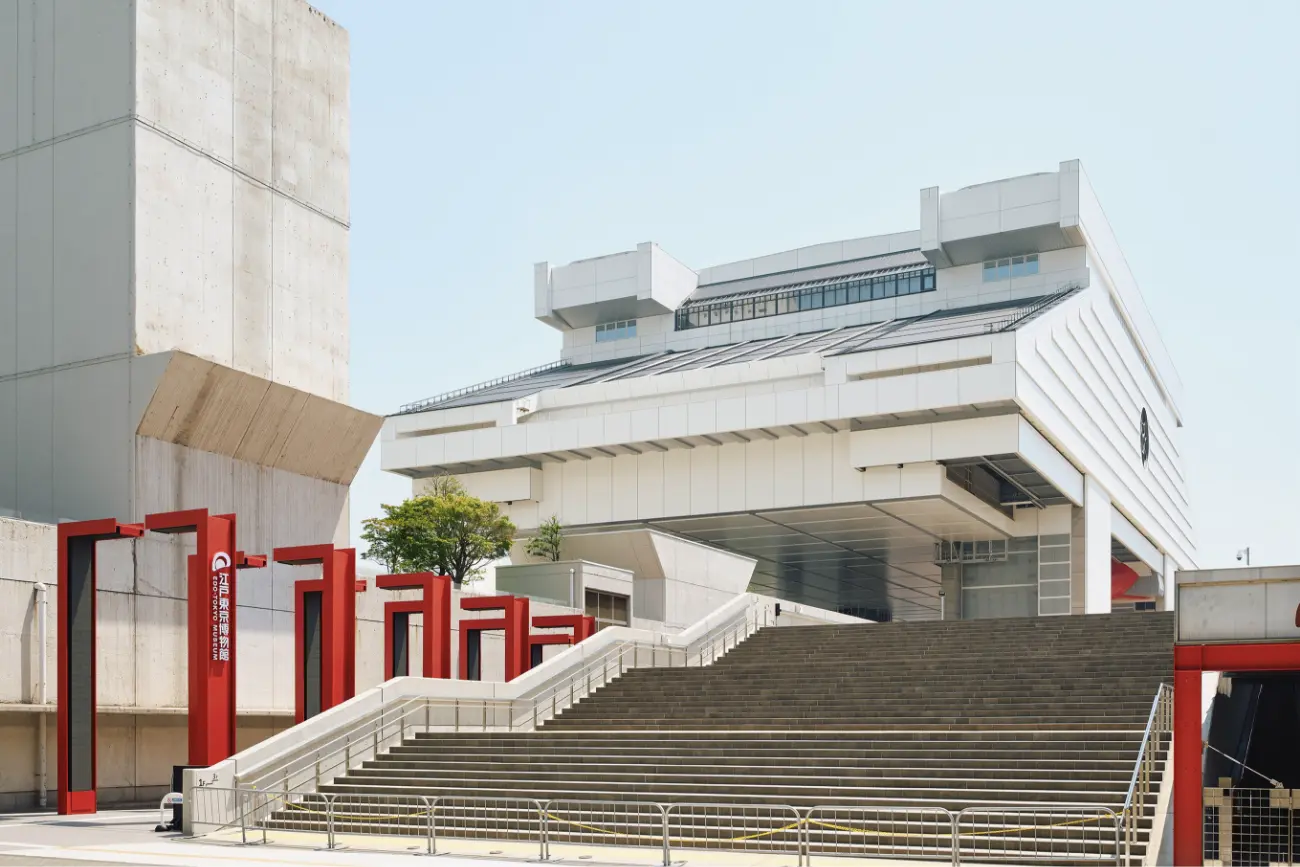
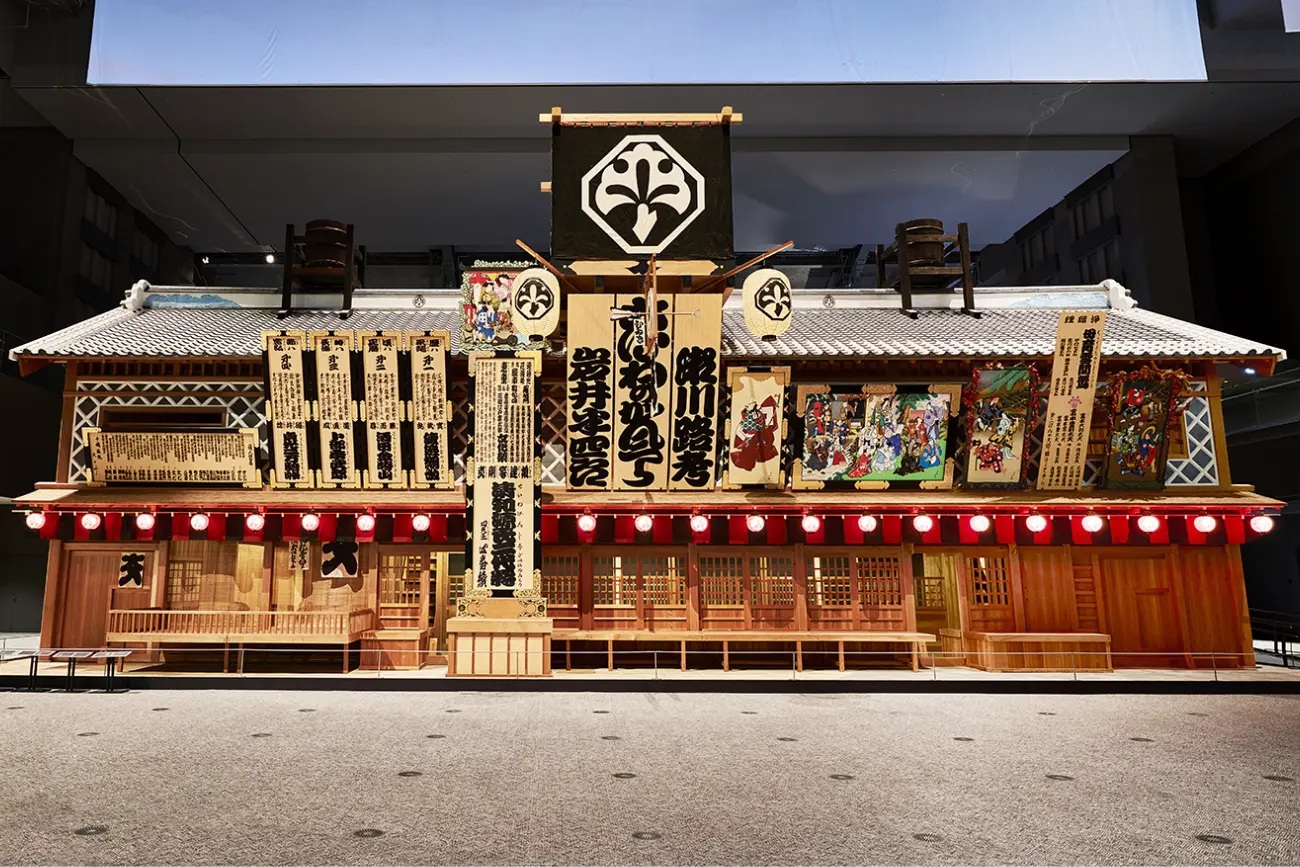
Edo-Tokyo Museum
Edo-Tokyo Museum offers a fascinating look into the history and culture of Tokyo, from the Edo period to the present day. Through life-sized replicas, models, and historical artifacts, visitors can discover how the city and its people have evolved over time.
After a major renovation, the museum reopened on March 31, 2026, with enhanced exhibitions and new experiences. Located in Ryogoku, it is a must-visit for anyone interested in discovering the history, traditions, and unique character of Tokyo.
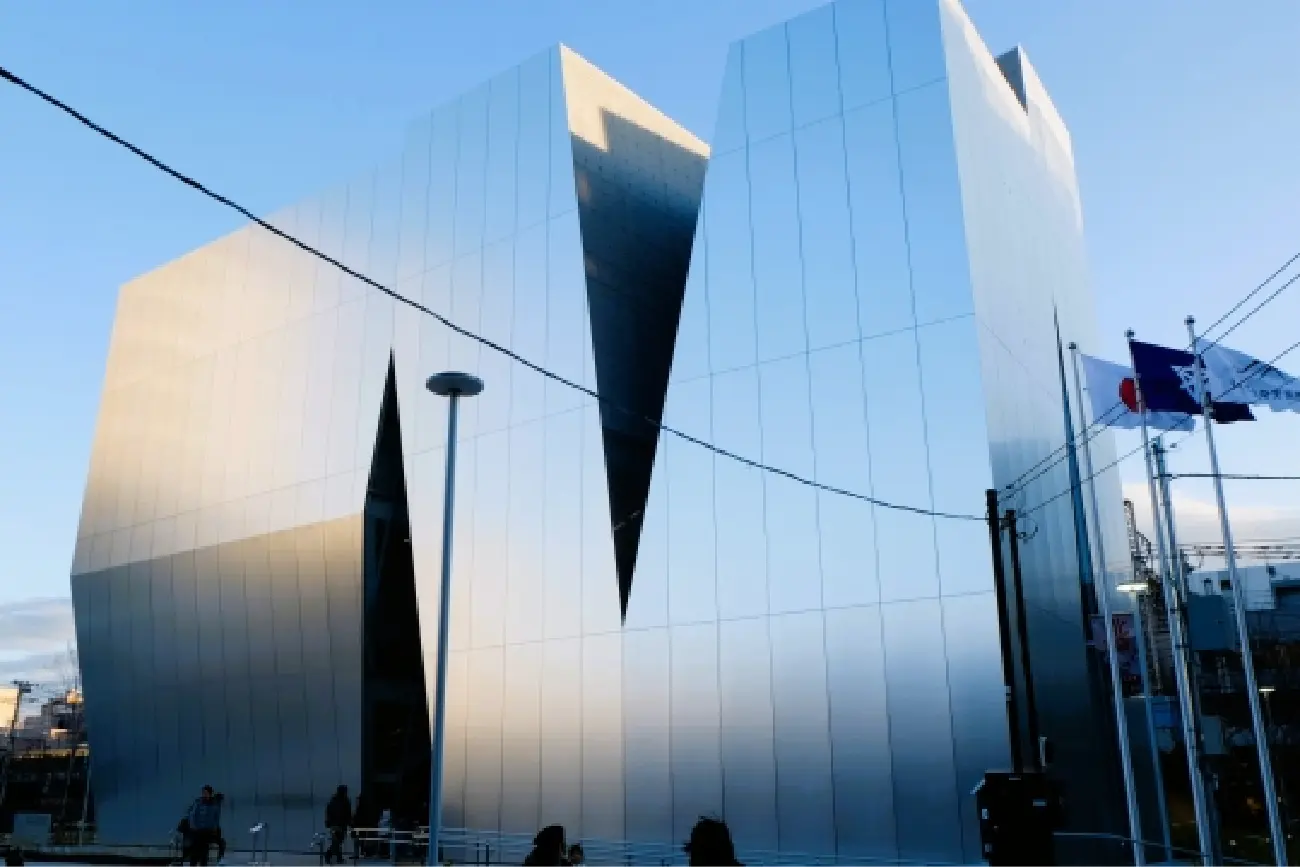
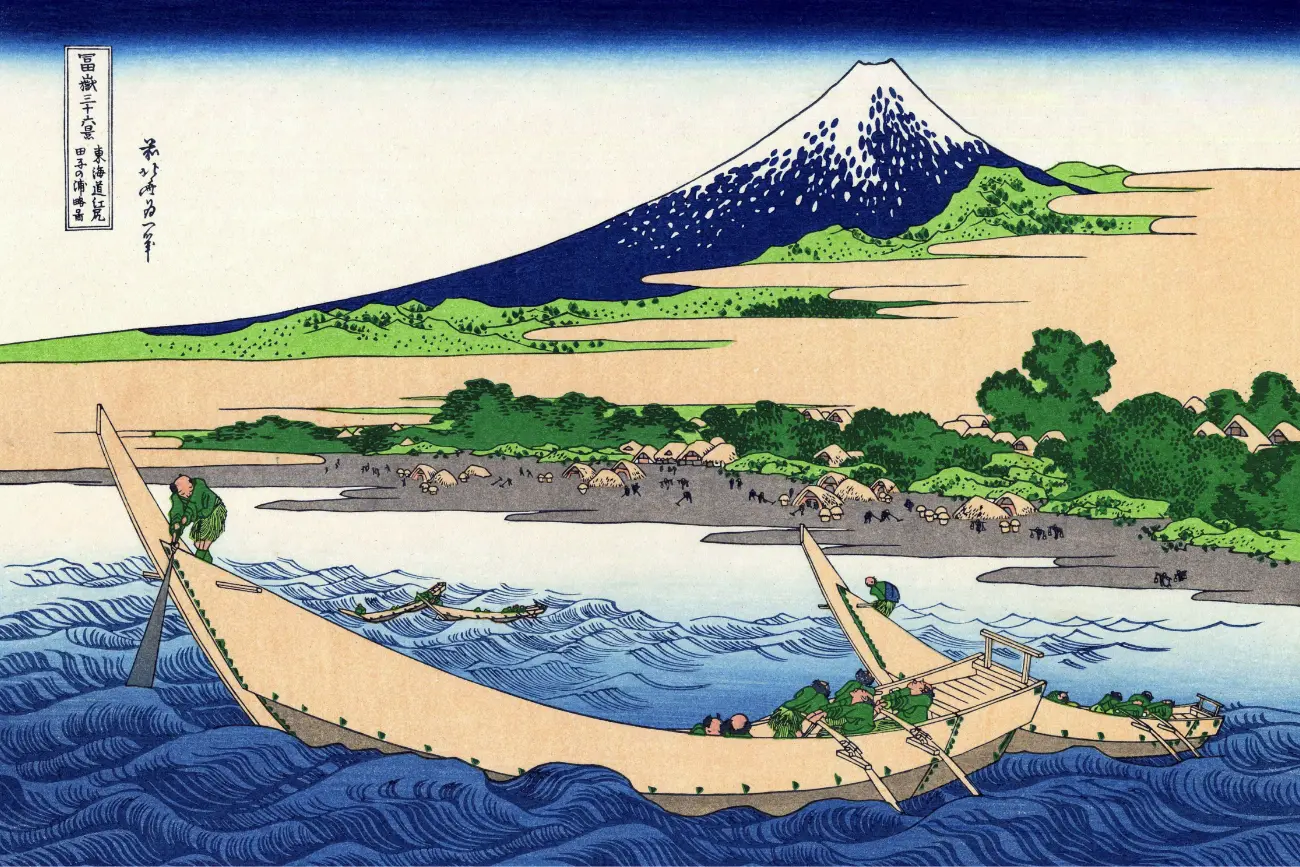
Sumida Hokusai Museum
The Sumida Hokusai Museum is dedicated to the life and work of Katsushika Hokusai, one of Japan’s most celebrated ukiyo-e artists. Located in Sumida, where Hokusai was born and spent much of his life, the museum features a collection of his prints, paintings, and related works.
Its exhibitions offer visitors a closer look at Hokusai’s artistic career and the world of ukiyo-e.
The museum’s striking modern architecture also makes it a distinctive landmark in the Ryogoku area.
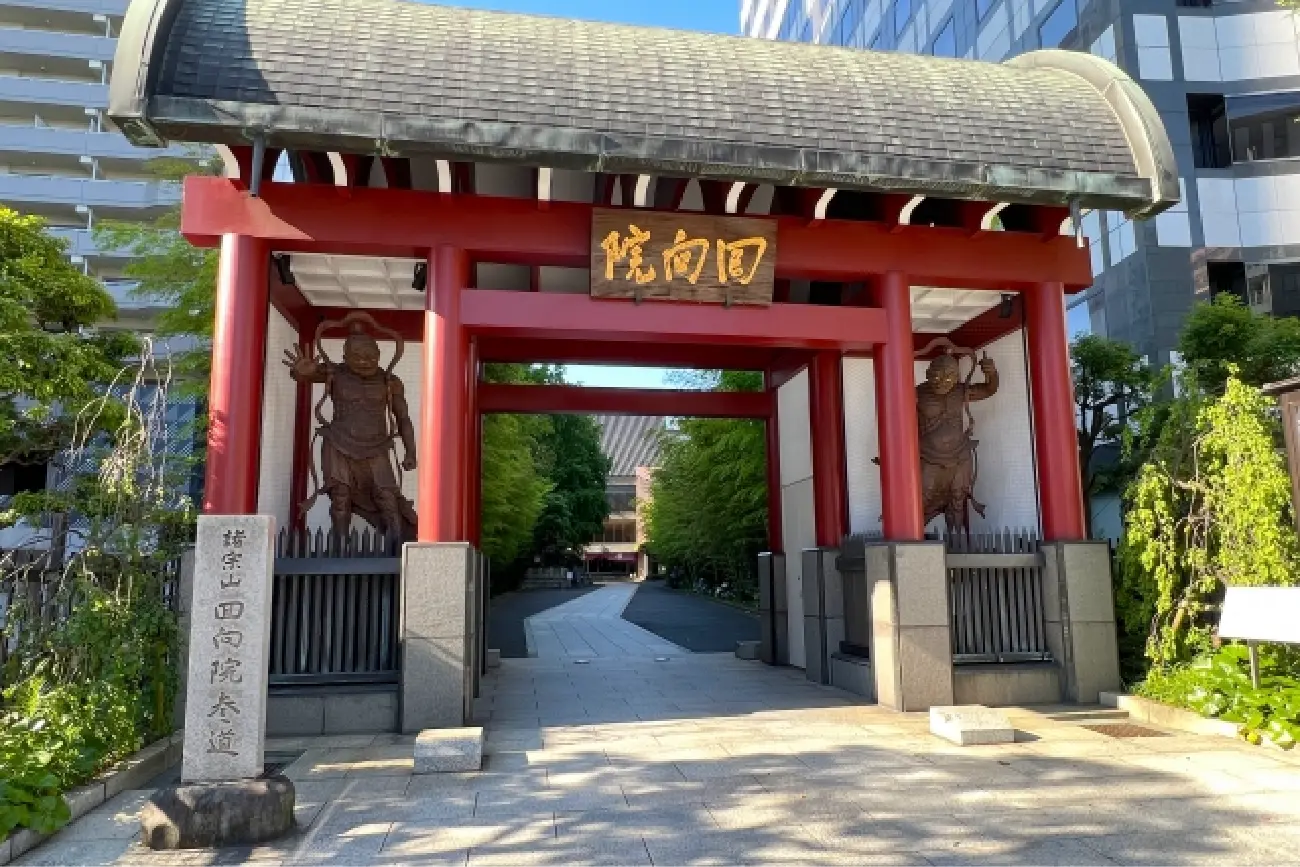
Ekoin Temple
Ekoin Temple played a central role in sumo history during the late Edo period. Beginning in 1833, it became the official venue for kanjin-zumo, which was a series of charity sumo tournaments held specifically to raise funds for building temples and shrines.
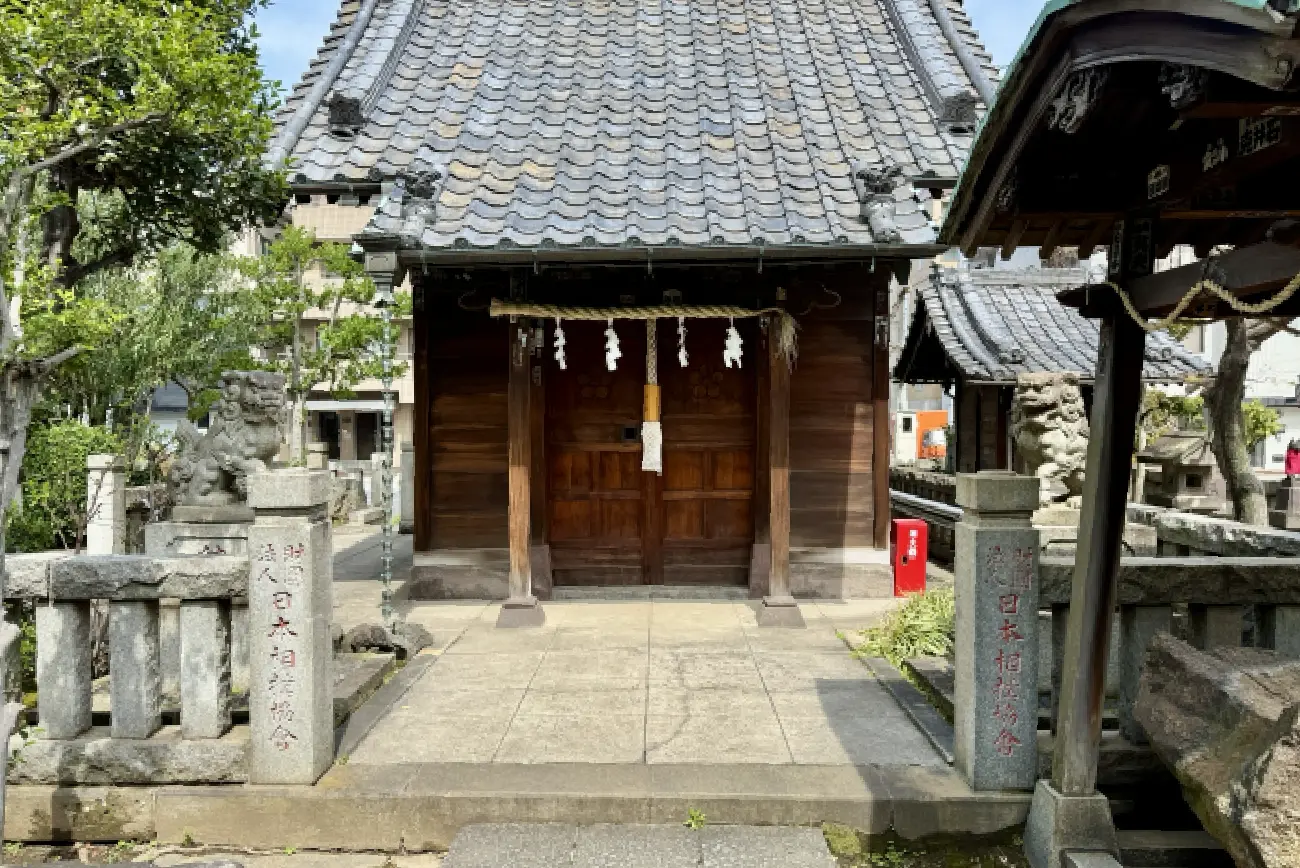
Nomi no Sukune Shrine
Nomi no Sukune Shrine honors the god of sumo featured in the Nihon Shoki. Around the 3rd to 4th century, he defeated Taima no Kehaya. Their legendary battle is widely celebrated as the origin story of sumo, drawing many fans and visitors today.
Taste Ryogoku
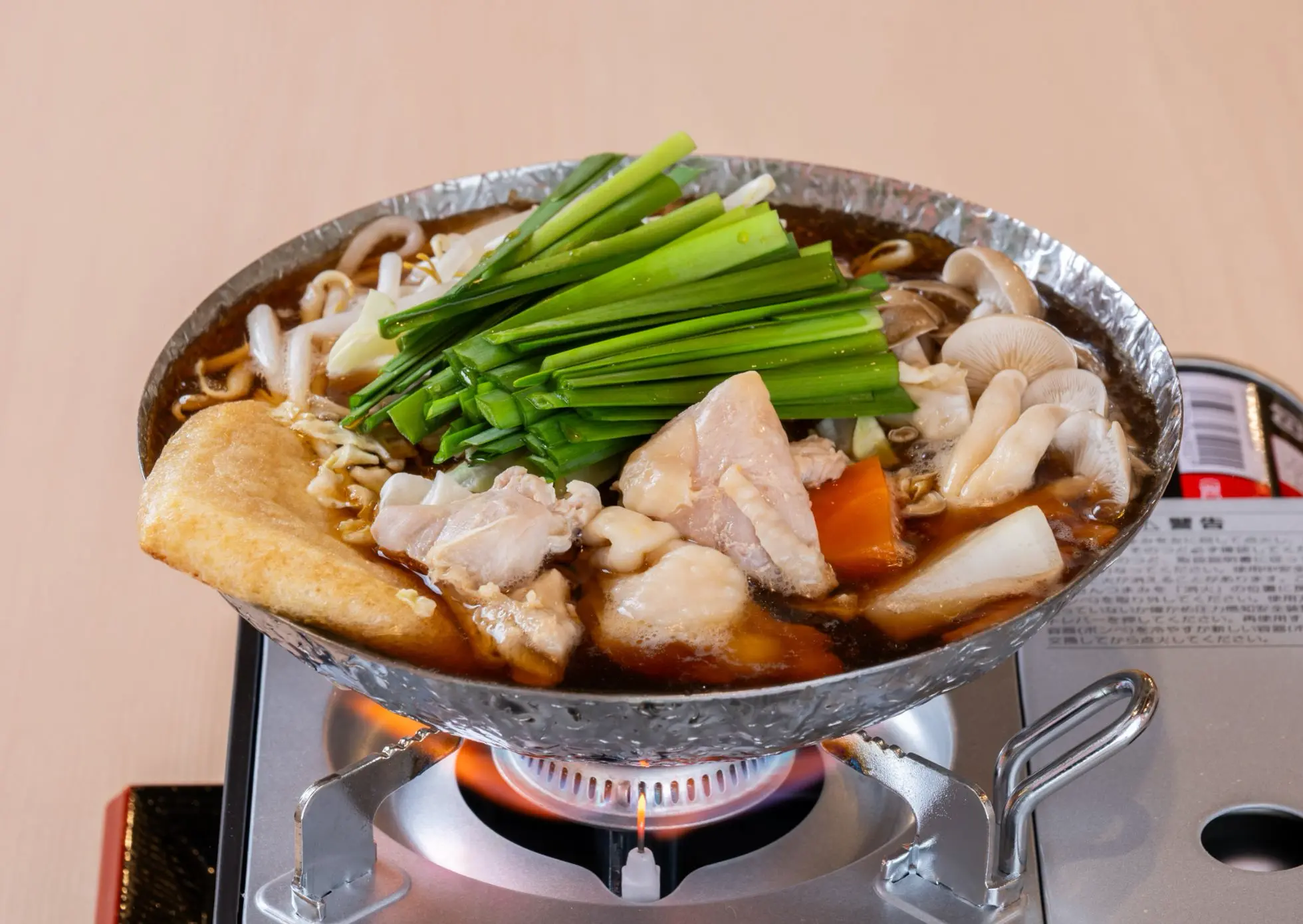
In Ryogoku, you can enjoy traditional Japanese food and sumo-related cuisine.
Chanko hot pot is famously eaten by sumo wrestlers to gain weight and strength. Packed with rich broth, tender meats, and fresh vegetables, it is both delicious and nutritious.
Ryogoku is the ultimate food hotspot for chanko hot pot.
After retiring from the sumo ring, many former wrestlers open their own restaurants.
At SUMOLAND, we serve authentic chanko hot pot from the Isegahama Stable.
Why not try this exclusive, unique dish alongside your sumo experience?
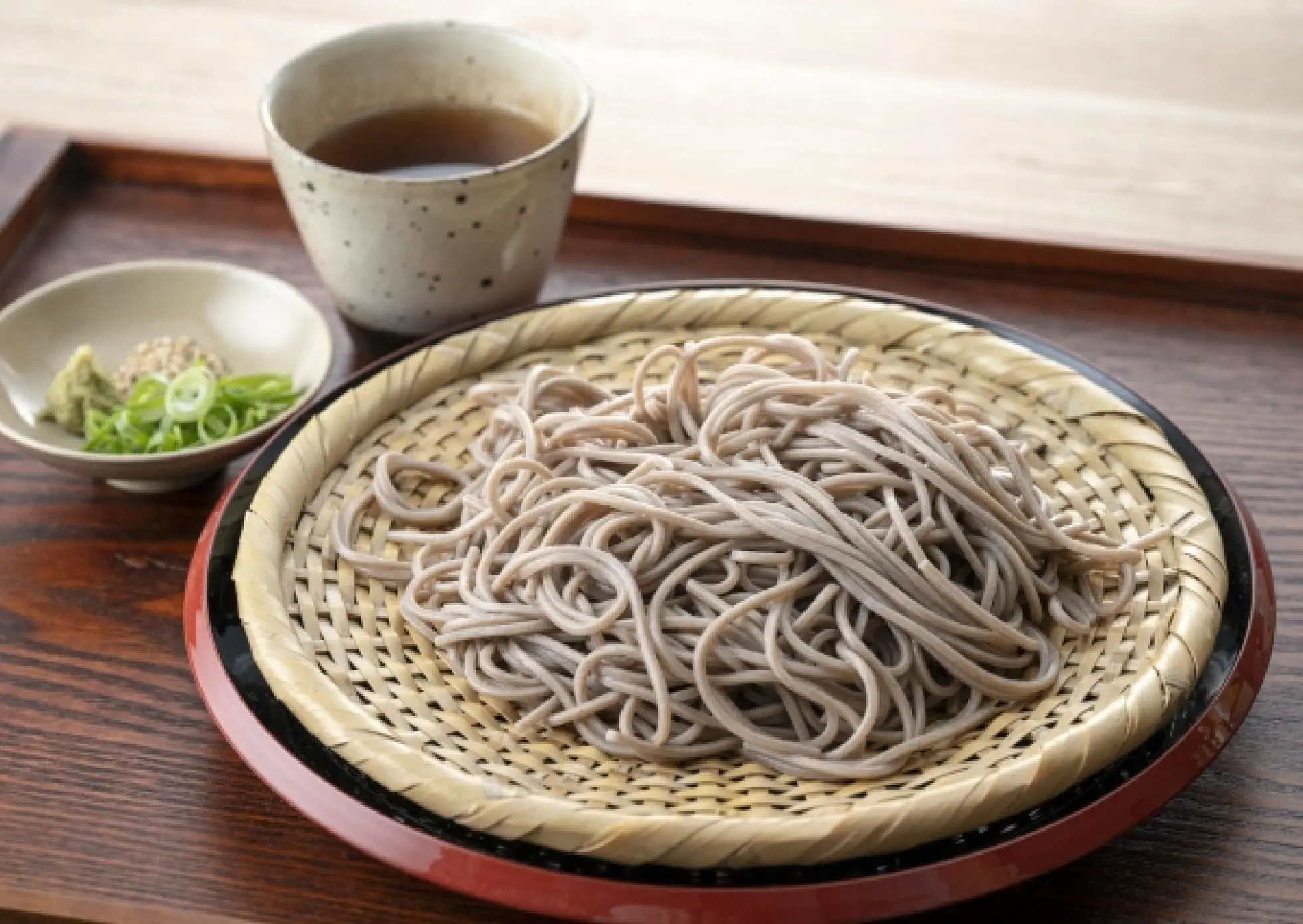
Among these culinary treasures, Edo-style Soba stands out as an iconic Tokyo specialty.
Originating during the Edo period, these thin buckwheat noodles feature a firm texture and are served alongside a savory, soy sauce-rich dipping sauce. Local etiquette recommends dipping only the bottom third of your noodles into the broth to savor the natural, earthy aroma of the buckwheat. After finishing, dilute the remaining sauce with sobayu, the warm water used to cook the soba, for a comforting final sip.
It offers an authentic taste of traditional Japanese food culture.
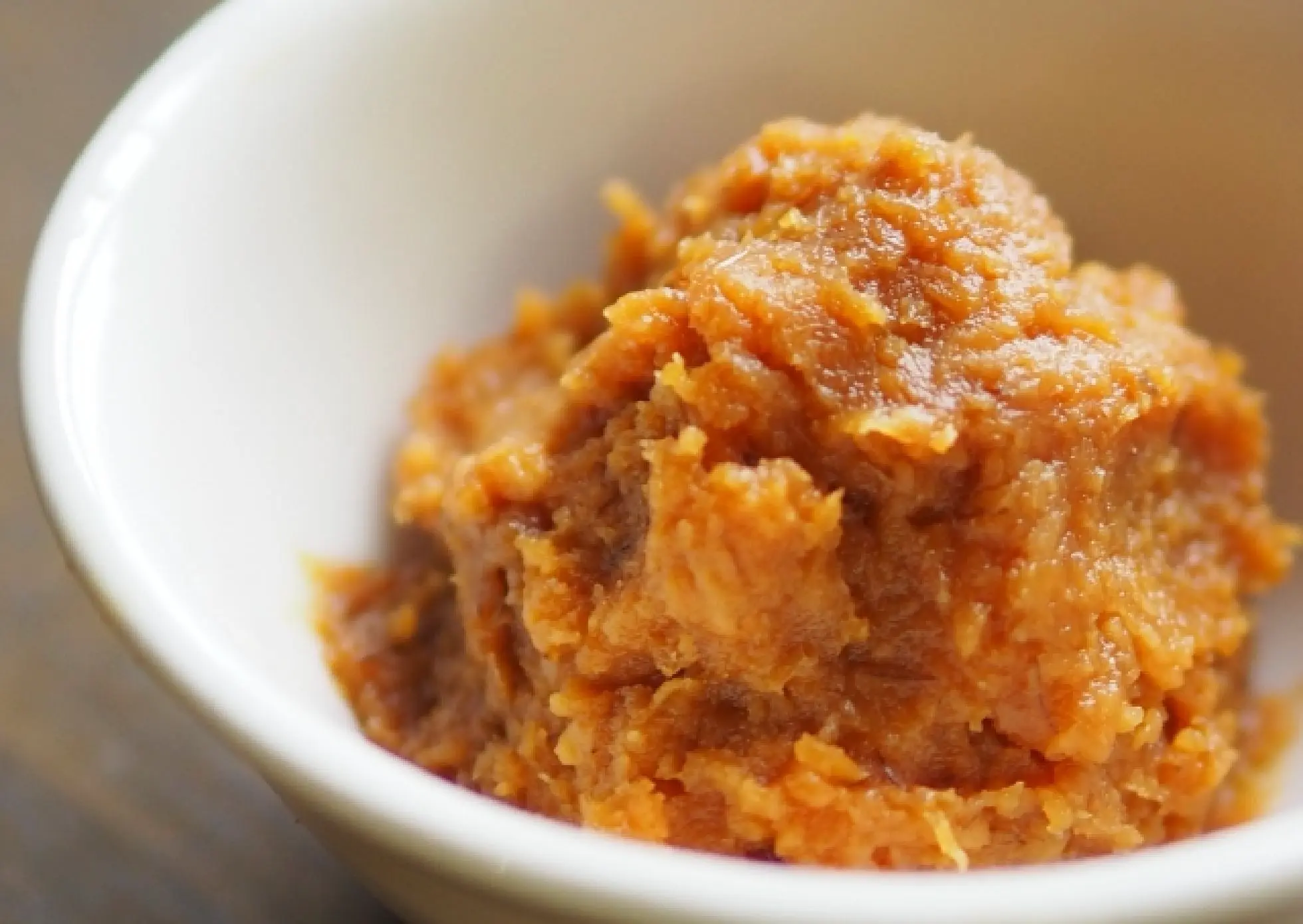
Rikishi Miso is a savory, stamina-boosting seasoning traditionally crafted in sumo stables.
Made by simmering miso, minced chicken, garlic, sugar, and mirin, it delivers a rich, flavorful punch.
Originally created to restore a wrestler’s appetite during hot summers or strenuous training tours, its bold garlic flavor pairs perfectly with plain rice or fresh vegetables.
Today, this unique staple has become a favorite culinary souvenir among sumo fans and travelers alike.
You can purchase jars of authentic Rikishi Miso at souvenir shops inside the Ryogoku Kokugikan arena to take home a genuine taste of sumo culture.
Ryogoku Map
Explore Ryogoku with the map and discover your favorite spots!
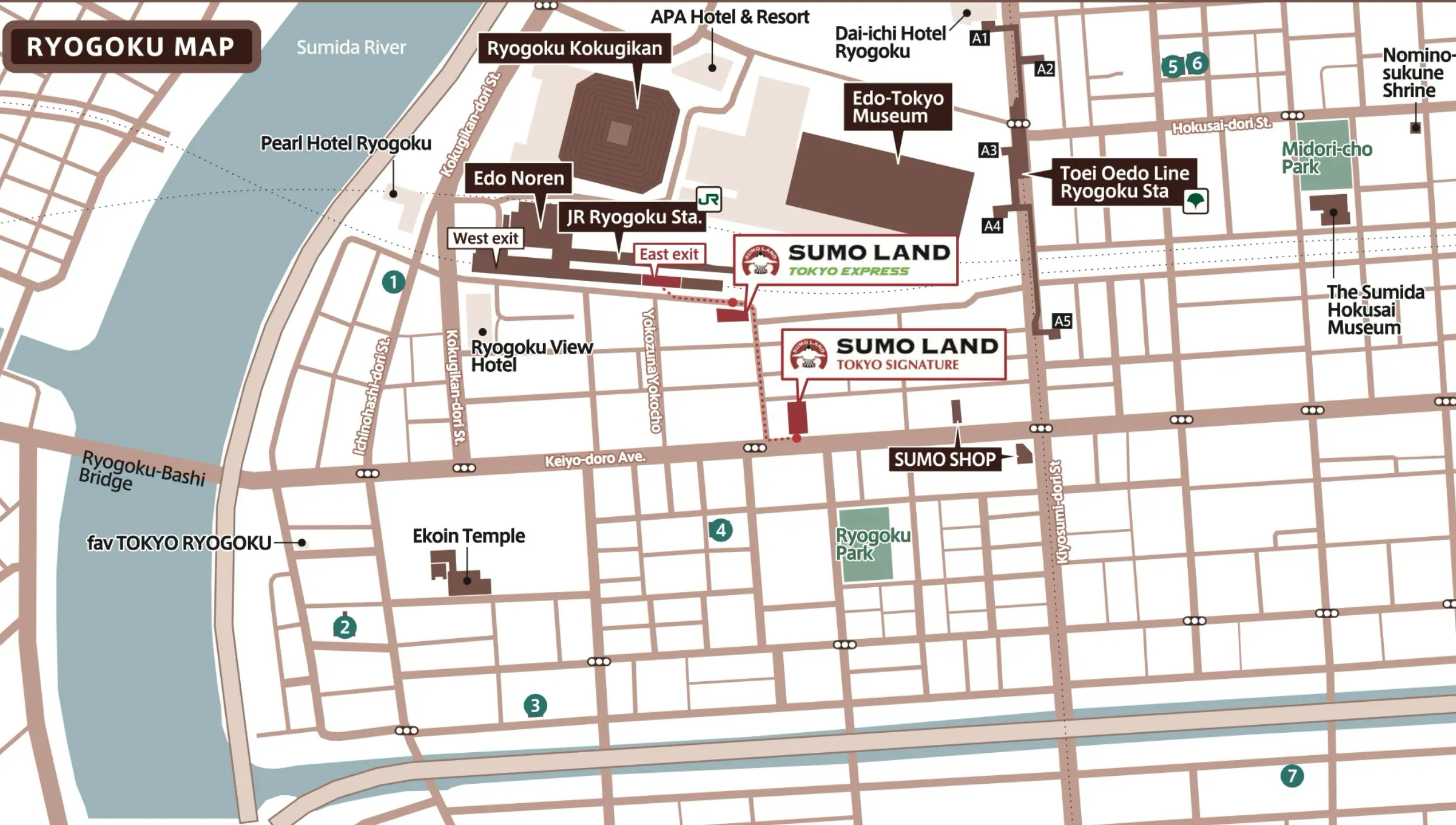
- 1Nakamura-beya [Nakamura Stable]
- 2Kasugano-beya [Kasugano Stable]
- 3Dewanoumi-beya [Dewanoumi Stable]
- 4Tokitsukaze-beya [Tokitsukaze Stable]
- 5Hakkaku-beya [Hakkaku Stable]
- 6Nishikido-beya [Nishikido Stable]
- 7Kise-beya [Kise Stable]
Let’s go explore
the charm of Ryogoku!
Don’t miss the sumo experience and
chanko hot pot at SUMOLAND!
