



What Makes
Sumo So Special?
What is SUMO?
Sumo is Japan’s traditional national sport with a history of over 1500 years.
Two wrestlers, called rikishi, compete on a sacred ring known as the dohyo, using strength and technique to defeat one another. Victory is achieved by forcing the opponent out of the ring or making any part of their body other than the soles of their feet touch the ground.
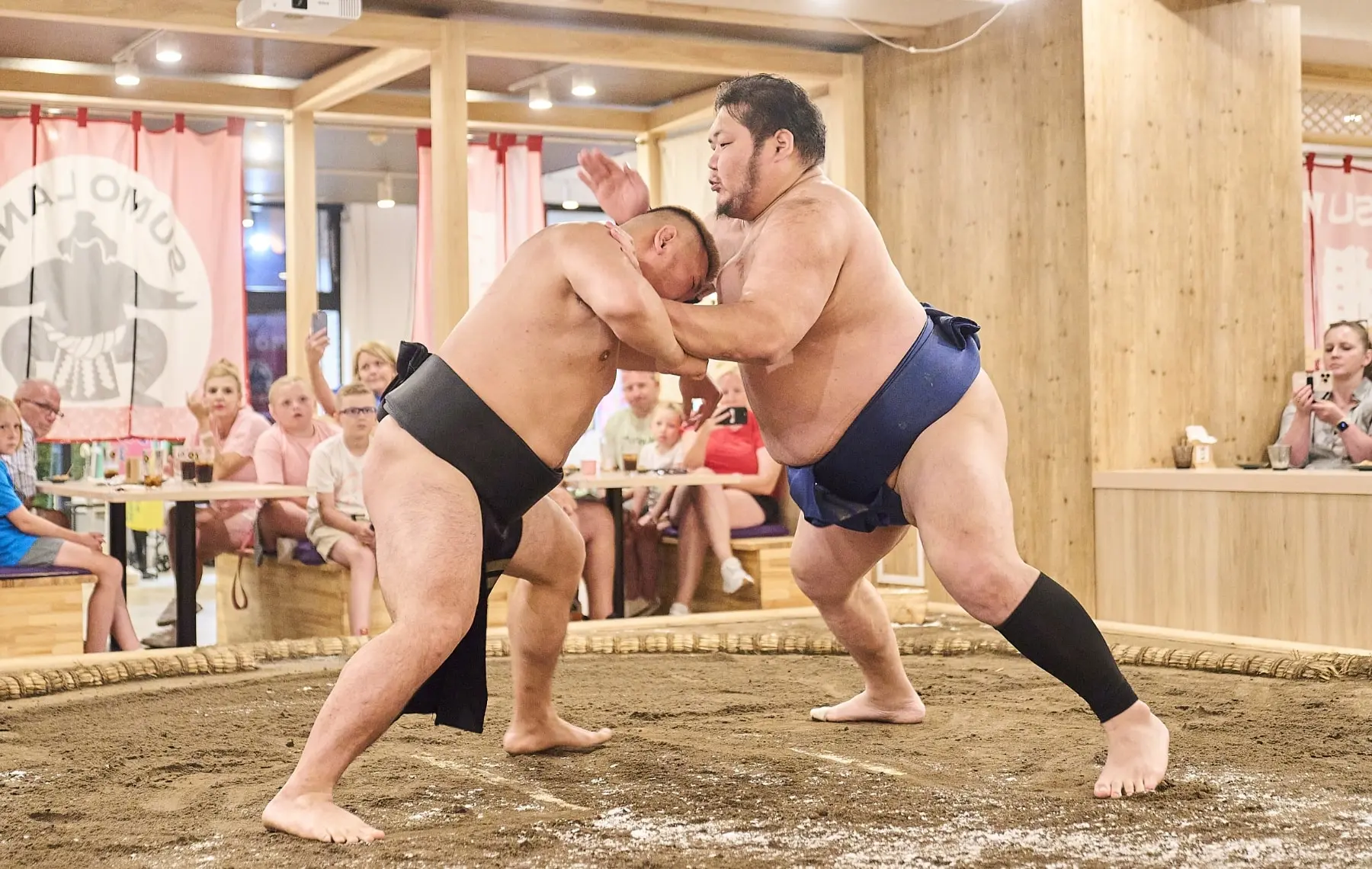
However, the appeal of sumo goes far beyond physical strength alone.
In the split second of the initial charge, rikishi clash with technique, strategy, and mental focus developed through years of training.
Success relies heavily on balance, timing, spirit, and mutual respect.
Because a bout can end in just a few split seconds, these crucial elements determine victory or defeat in the blink of an eye.
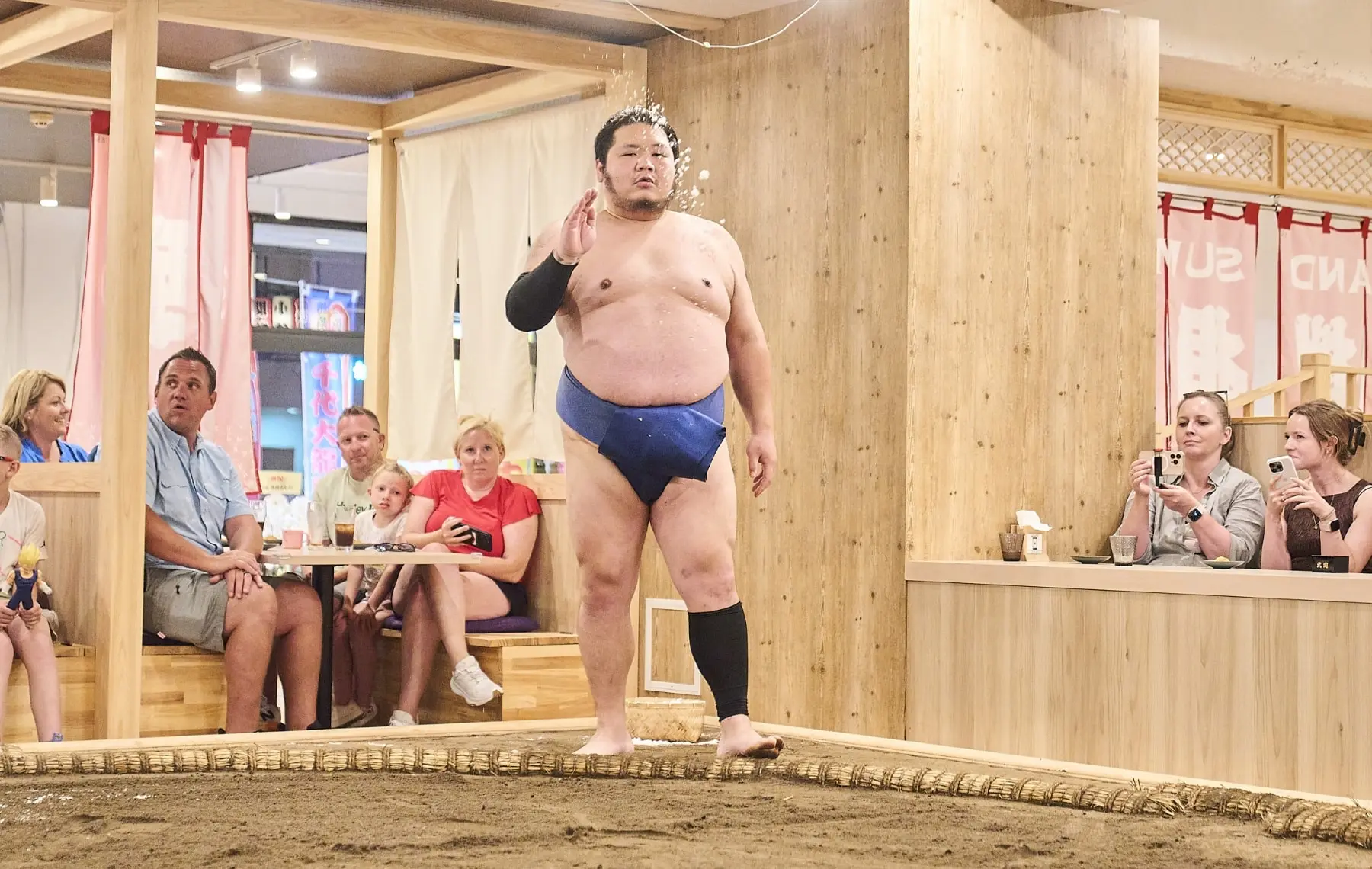
Sumo is also deeply connected to Japan’s traditional Shinto ritual.
Rituals such as the ring-entering ceremony, salt purification, and formal etiquette reflect the Japanese spirit of respect and tradition.
More than just a sport, sumo is a unique way to experience Japan’s history, culture, and traditions.
1-Minute Guide
to Sumo Bouts
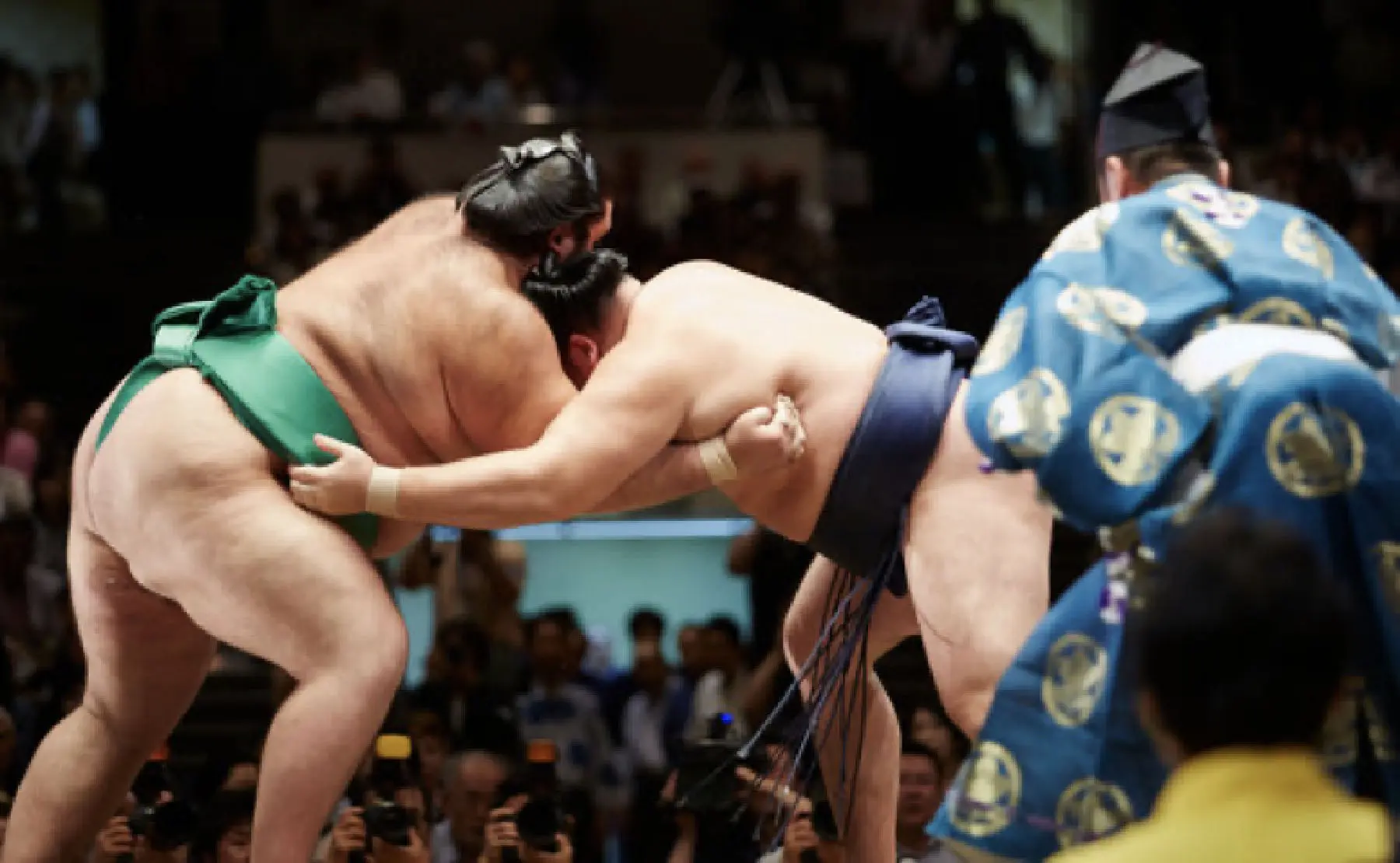
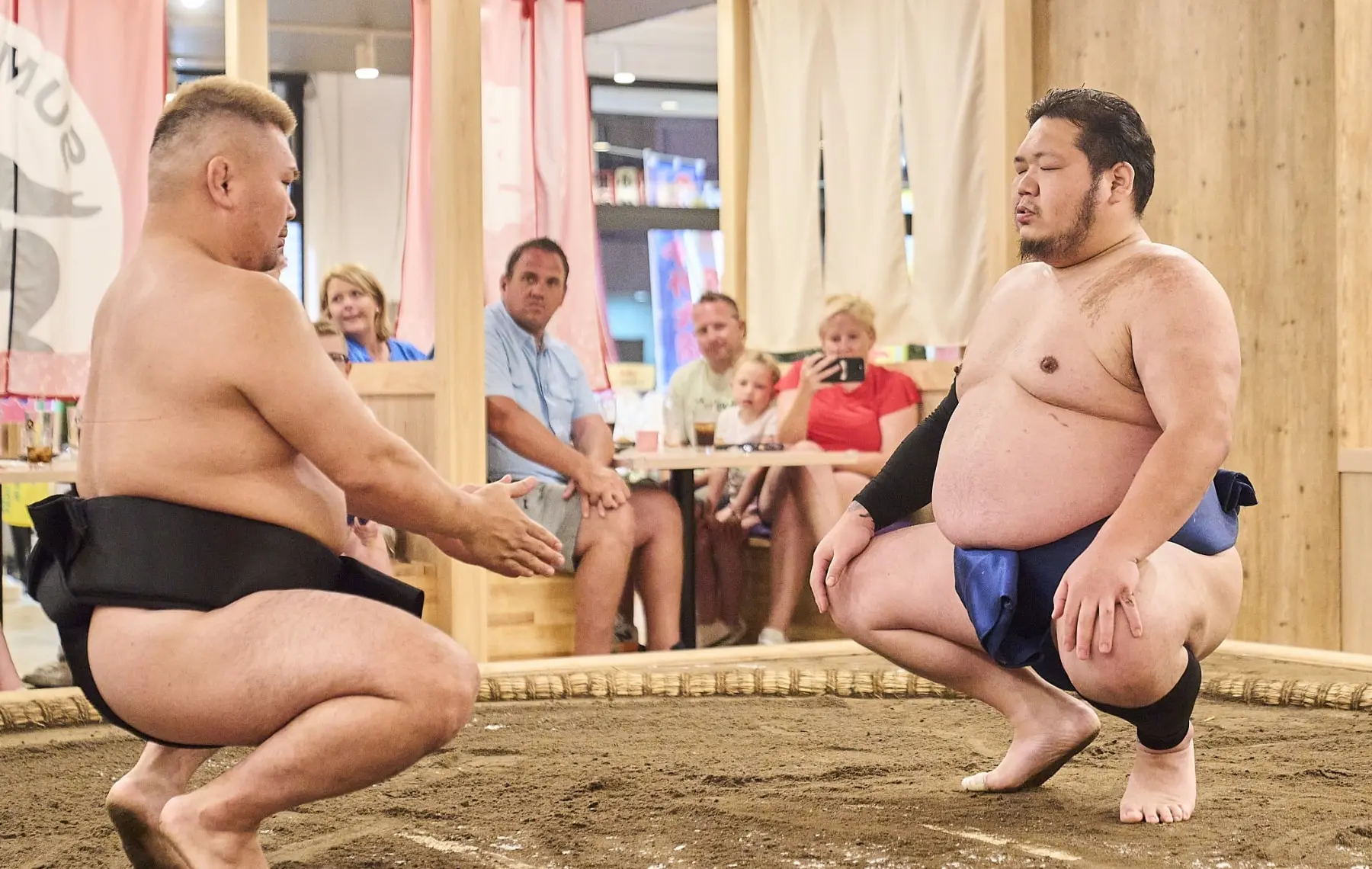
Face-off
Two sumo wrestlers enter the ring and face each other.
The Clash
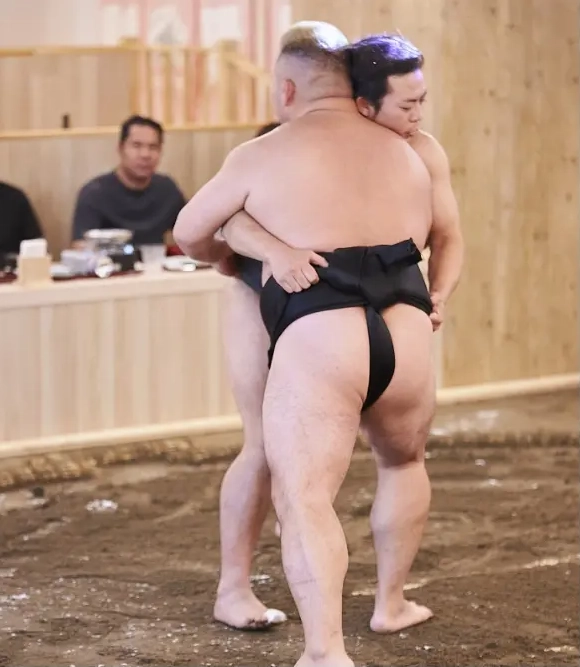
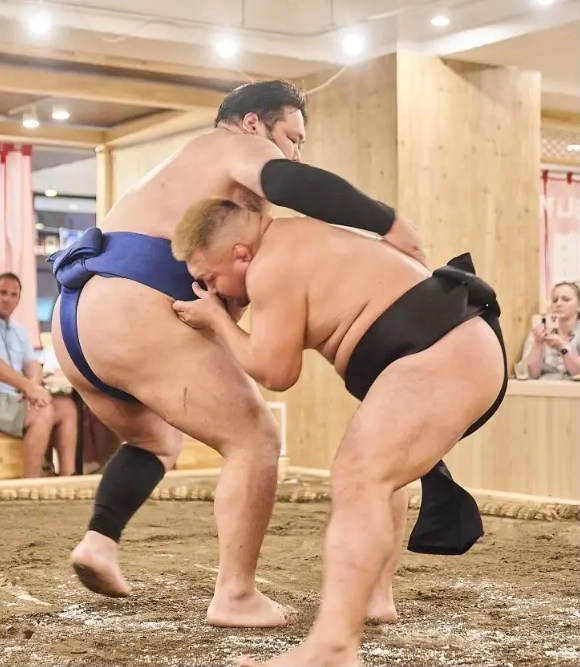
Both sumo wrestlers charge and collide at full force.
Winning & Losing
A sumo wrestler loses if:
- Any part of their body except the soles of their feet touches the ground.
- They are pushed, pulled, or thrown out of the ring.
How to Enjoy
Sumo Live
Experience the excitement, traditions, and unique atmosphere of sumo up close.
-

Sumo and
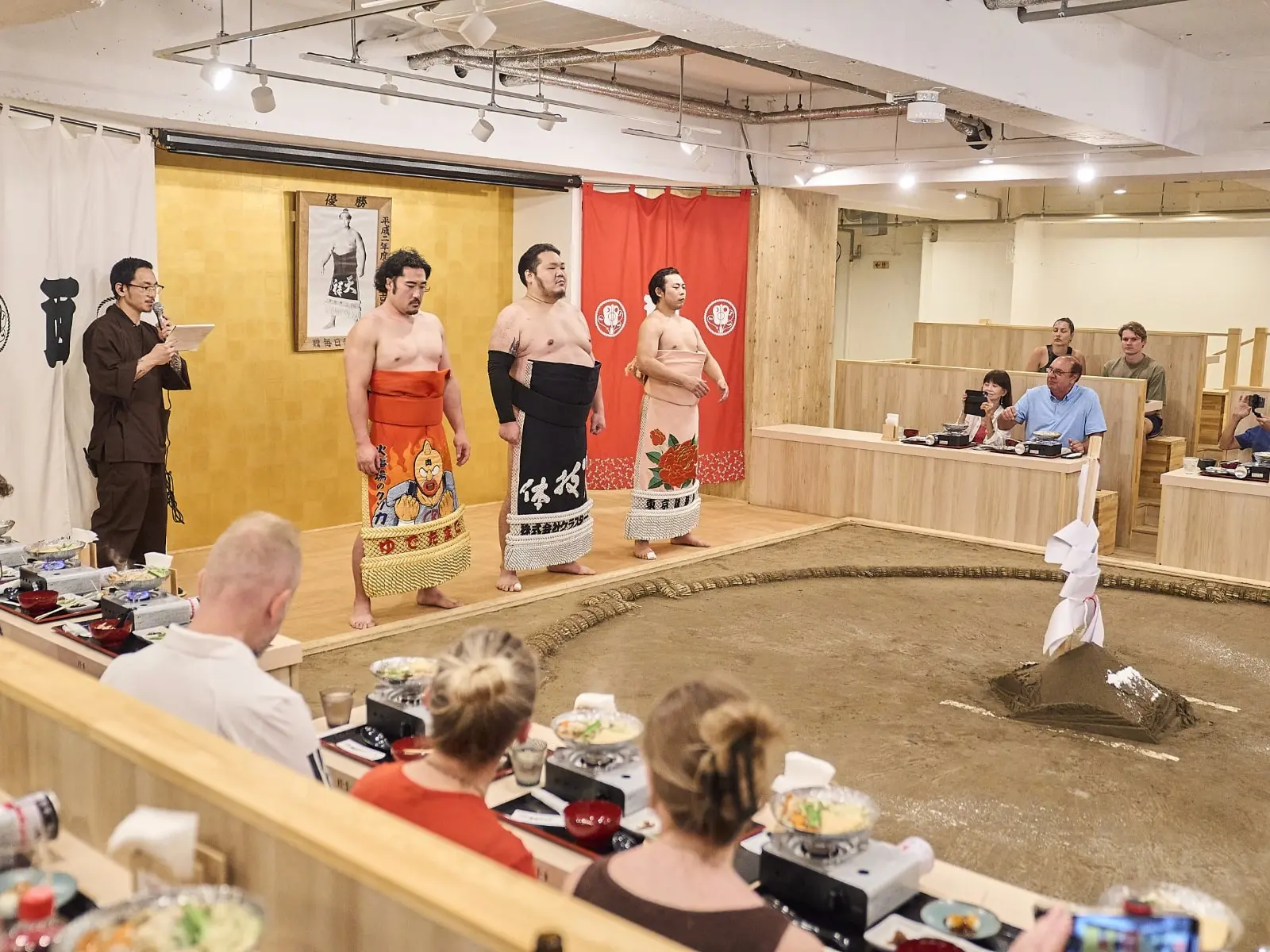
Its Sacred TraditionsSavor the solemn dignity of this traditional Japanese sport through its rich rituals, vibrant ceremonial aprons, and the timeless elegance of the referees and callers.
-
Experience the Raw
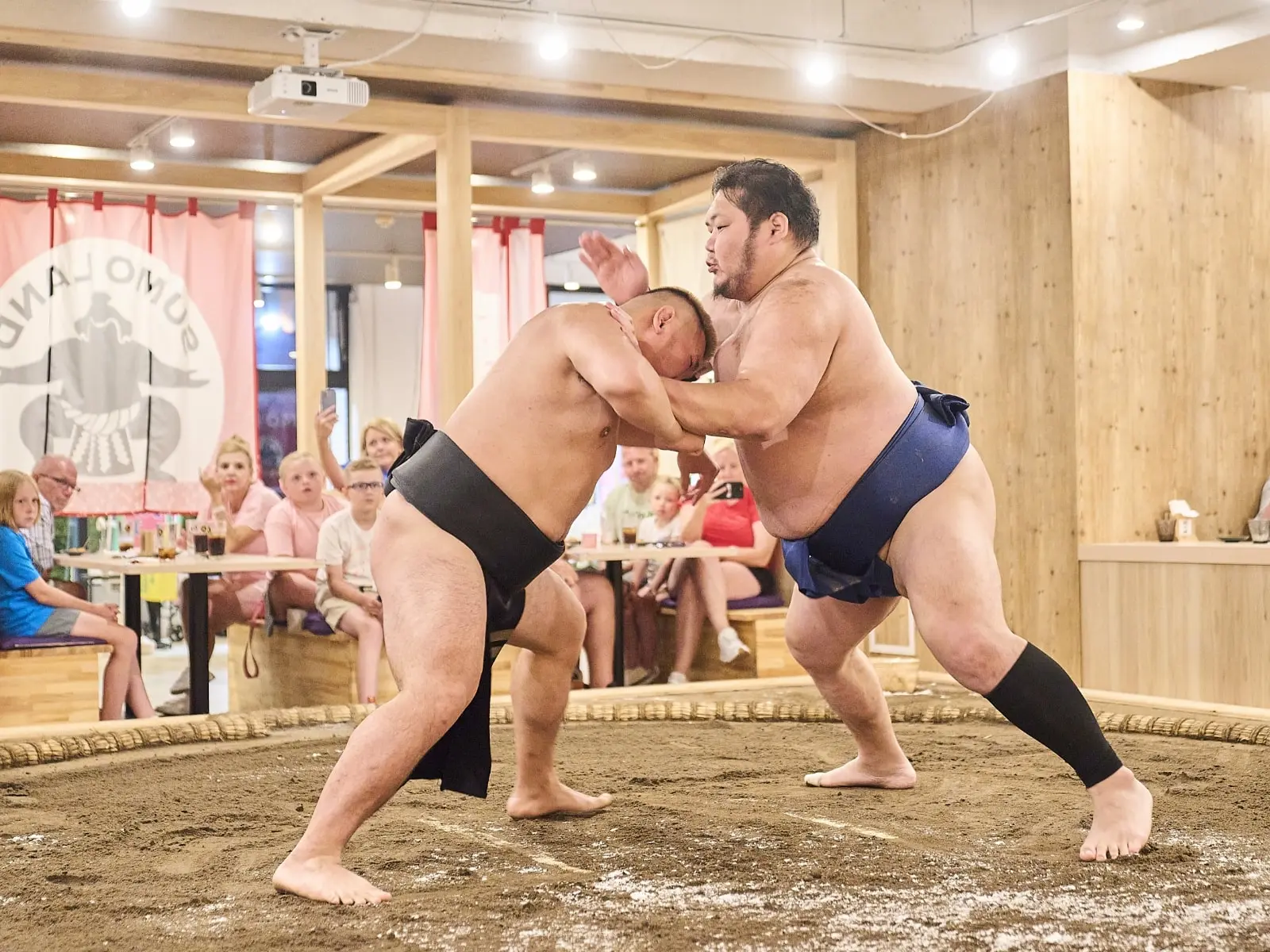
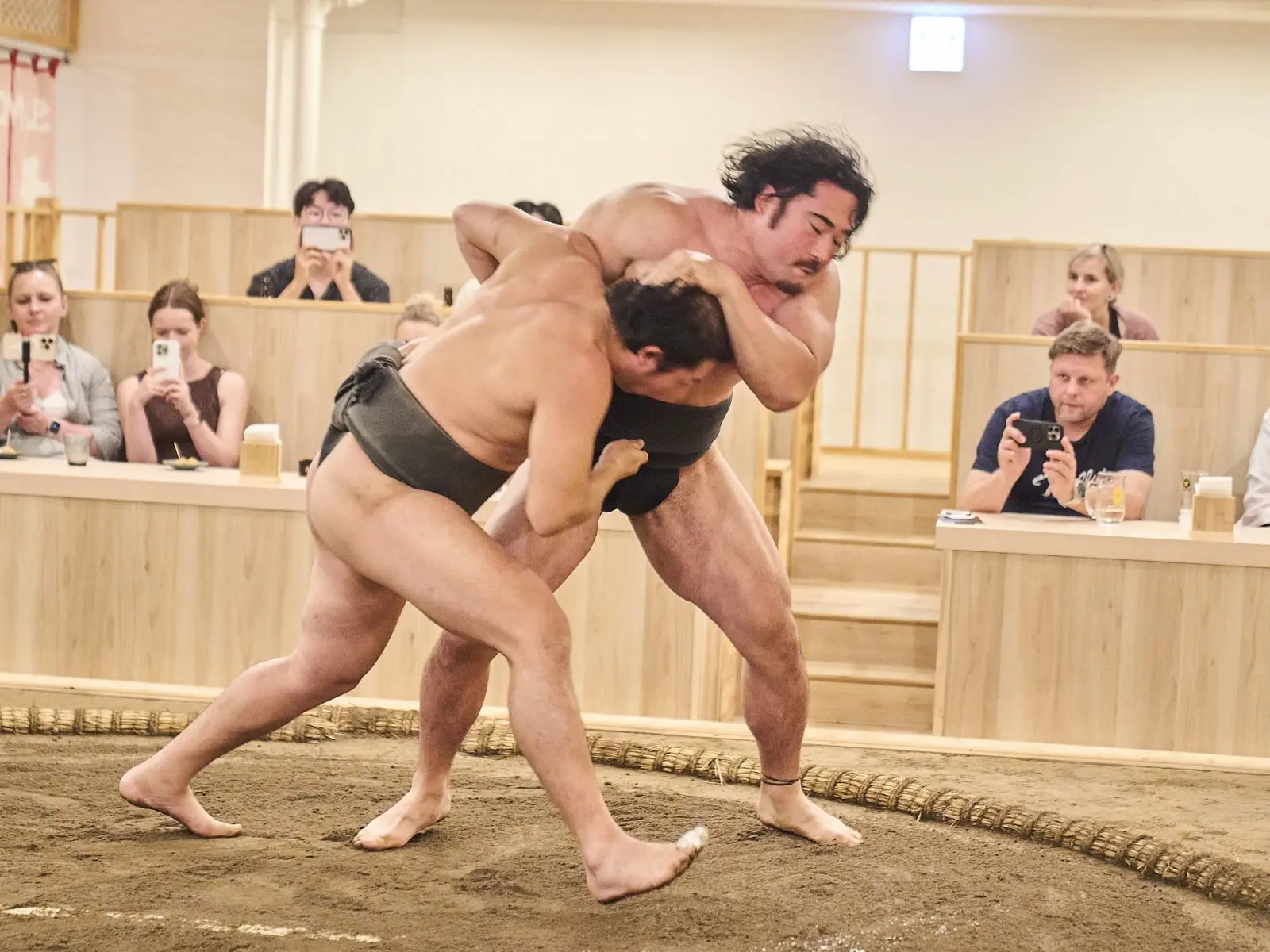
Sound & Power in PersonThe true thrill of sumo can’t be fully captured through a screen—it’s something you feel with your whole body. Experience the thunderous crash of two giant wrestlers colliding at full speed, along with the deep vibrations shaking the ring.
-
High-Stakes Battles
at the Ring’s EdgeSumo matches aren’t decided by size alone, but by honed technique, strategy, and incredible body control. Up close, you’ll witness shocking plot twists and the individual drama of each wrestler unfold right before your eyes.
Training to
Master Technique
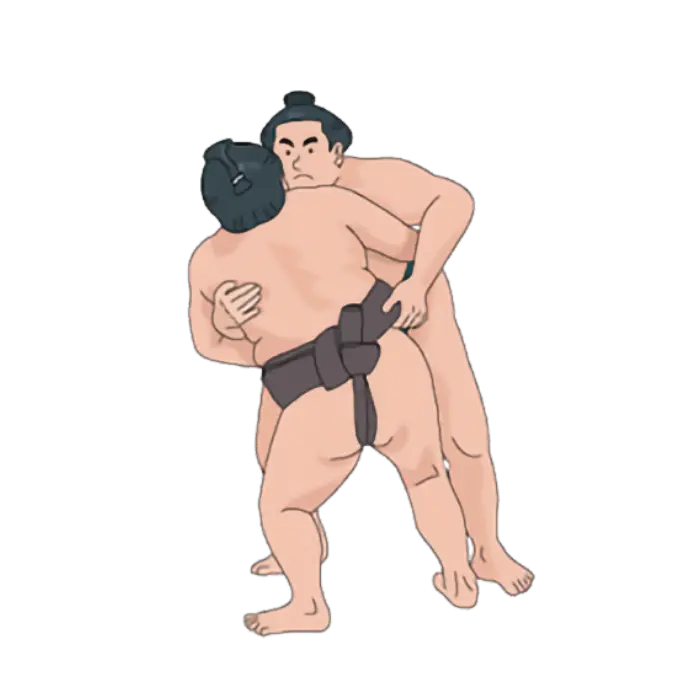
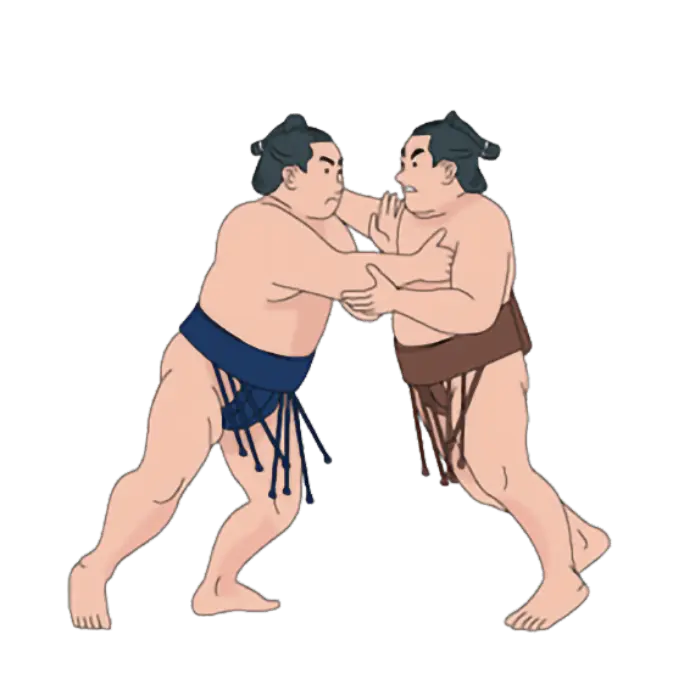
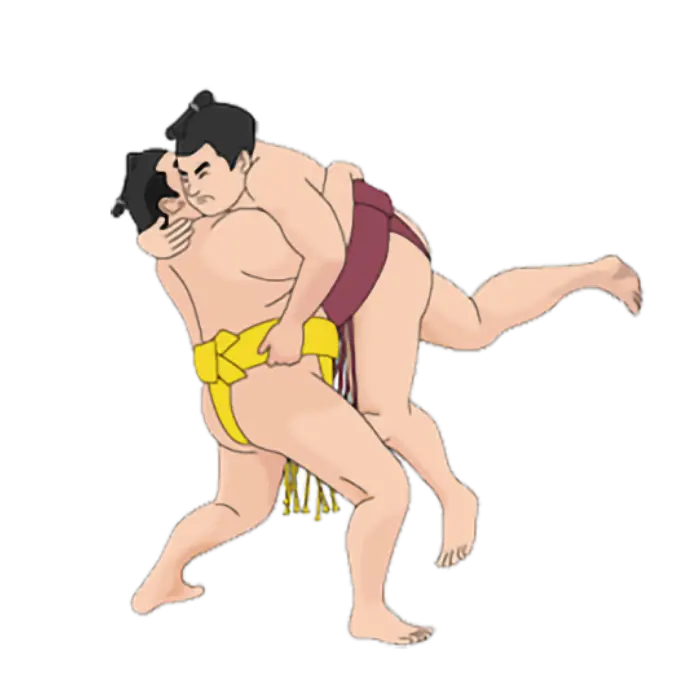
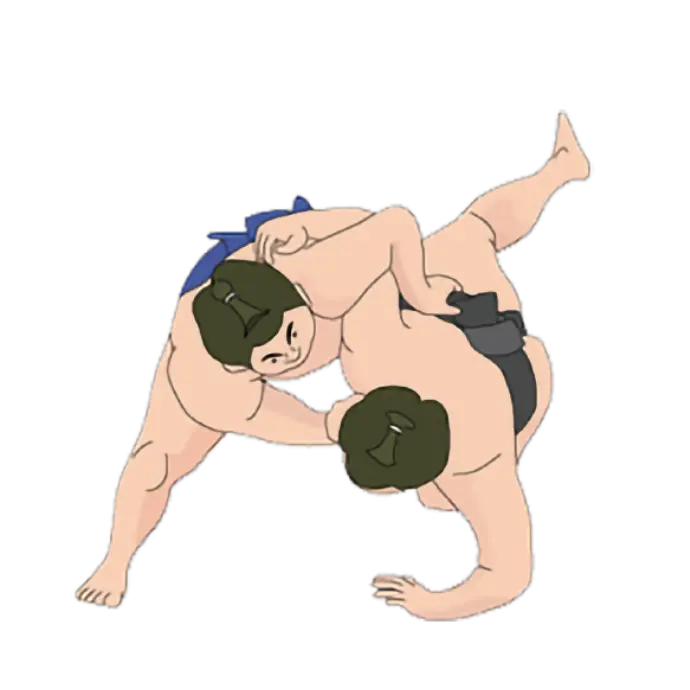
Sumo wrestling has over 82 official winning techniques, known as kimarite.
In daily practice, sumo wrestlers refine and perfect a wide range of techniques such as these.
-

Yorikiri (Force Out)
-
Oshidashi (Push Out)
-
Yaguranage
(Inner-thigh throw) -
Sukuinage
(Scoop throw)
Traditions of Sumo
Each movement in sumo carries a special meaning, rooted in centuries-old tradition.
Since ancient times, sumo has been performed as a prayer to the gods for a bountiful harvest and rich soil.
Today, every ritual on the dohyo continues this legacy: welcoming the divine, purifying the earth, and praying for prosperity and peace.
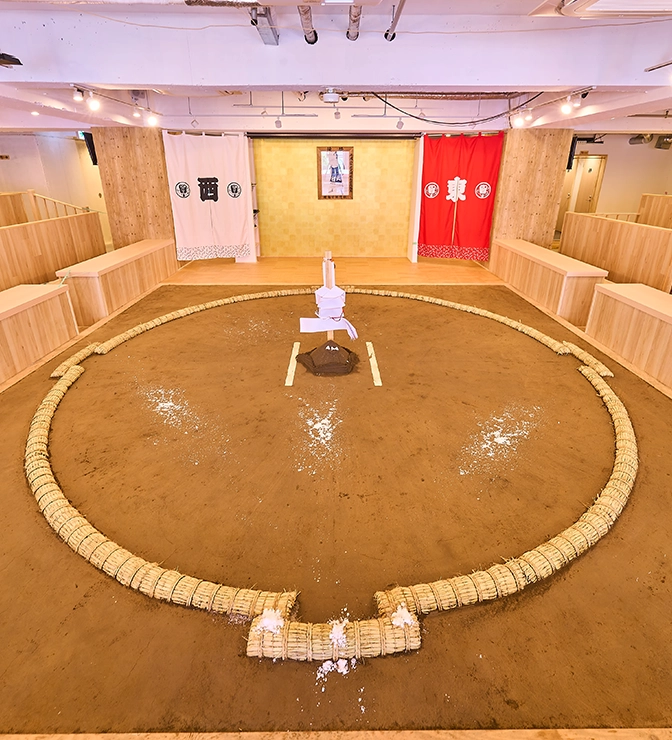
The Dohyo:
A Sacred Realm

The dohyo is a sacred space, not just a fighting arena. Before each tournament, the Dohyo-matsuri (Ring Blessing) is held to pray for safety and success.
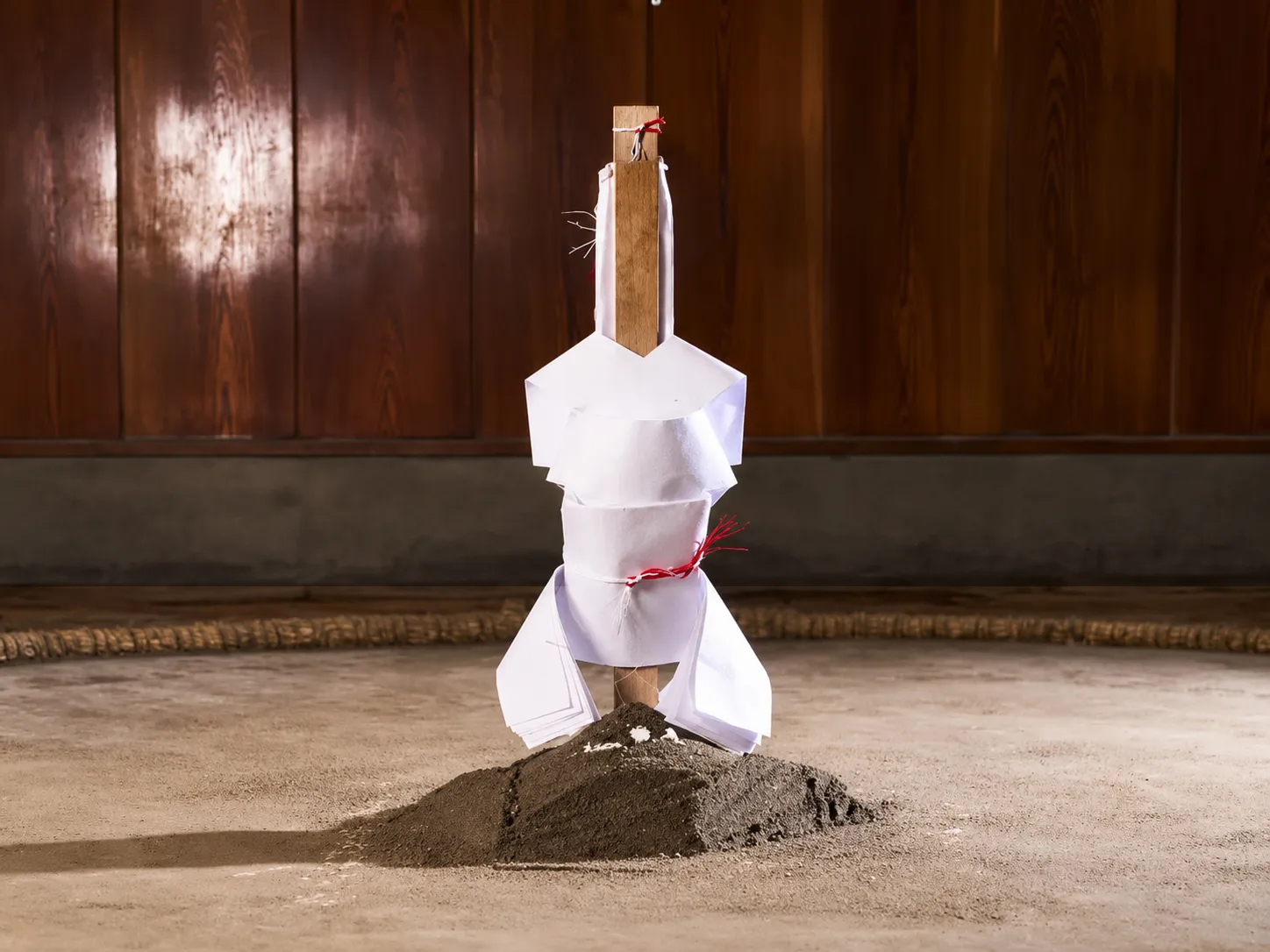
The Gohei: Sacred Offerings
At the center of the ring stands the Gohei, a wooden wand with white paper streamers. This sacred Shinto artifact symbolizes the presence of the gods.
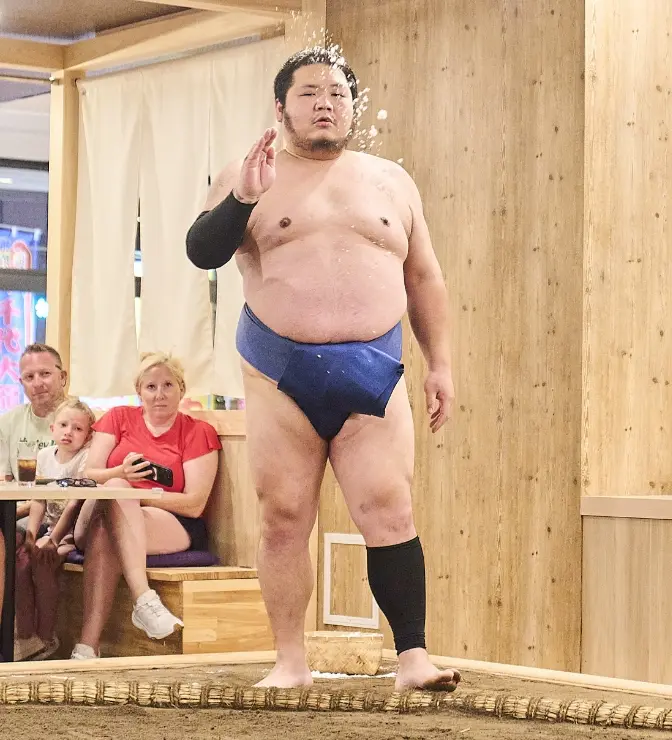
Salt: The Act of Purification
Before entering the ring, wrestlers throw a handful of salt across the clay. This act purifies the ring and cleanses both the ground and themselves before the bout.
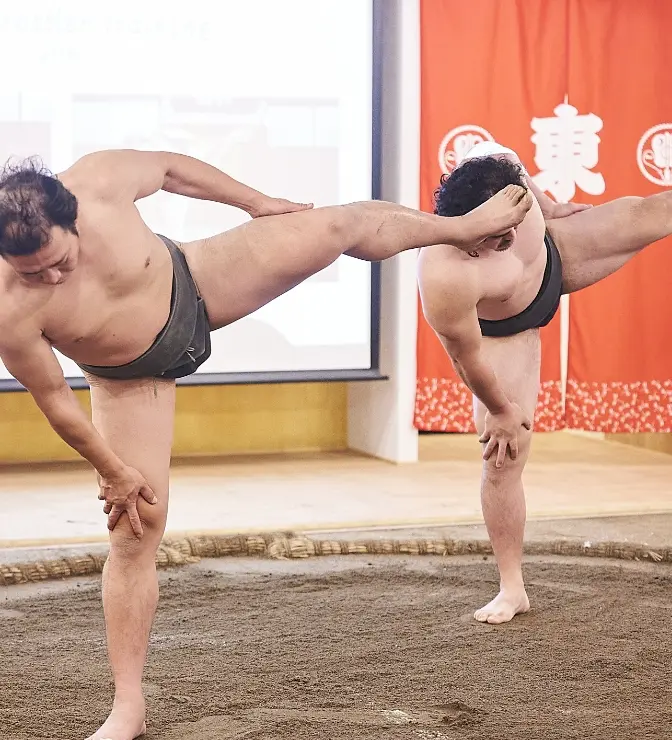
Shiko: Stomping Away Evil
When a wrestler raises one leg high and stomps firmly—a ritual called Shiko—it is meant to pacify the earth and drive away evil spirits.
Check This Out!
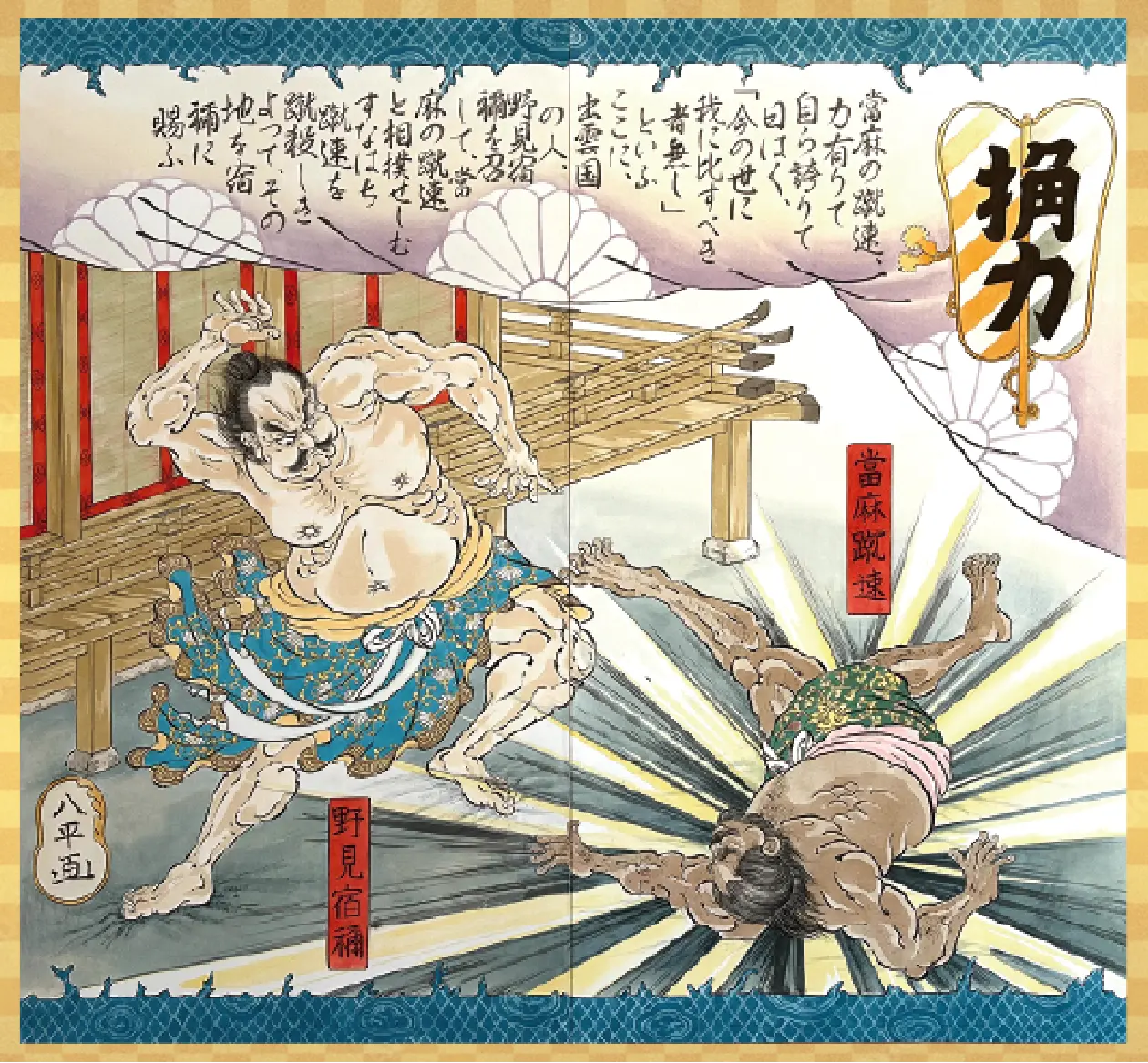
At SUMOLAND, we feature paintings that showcase the history of sumo.
This painting depicts the legendary trial of strength between Nomi no Sukune and Taima no Kehaya, widely considered the origin of sumo wrestling.
Held in the presence of Emperor Suinin, the matchup ended in victory for Nomi no Sukune.
Be sure to check it out when you visit!
Sumo Trivia
Learn fun sumo trivia and enjoy the world of sumo even more!
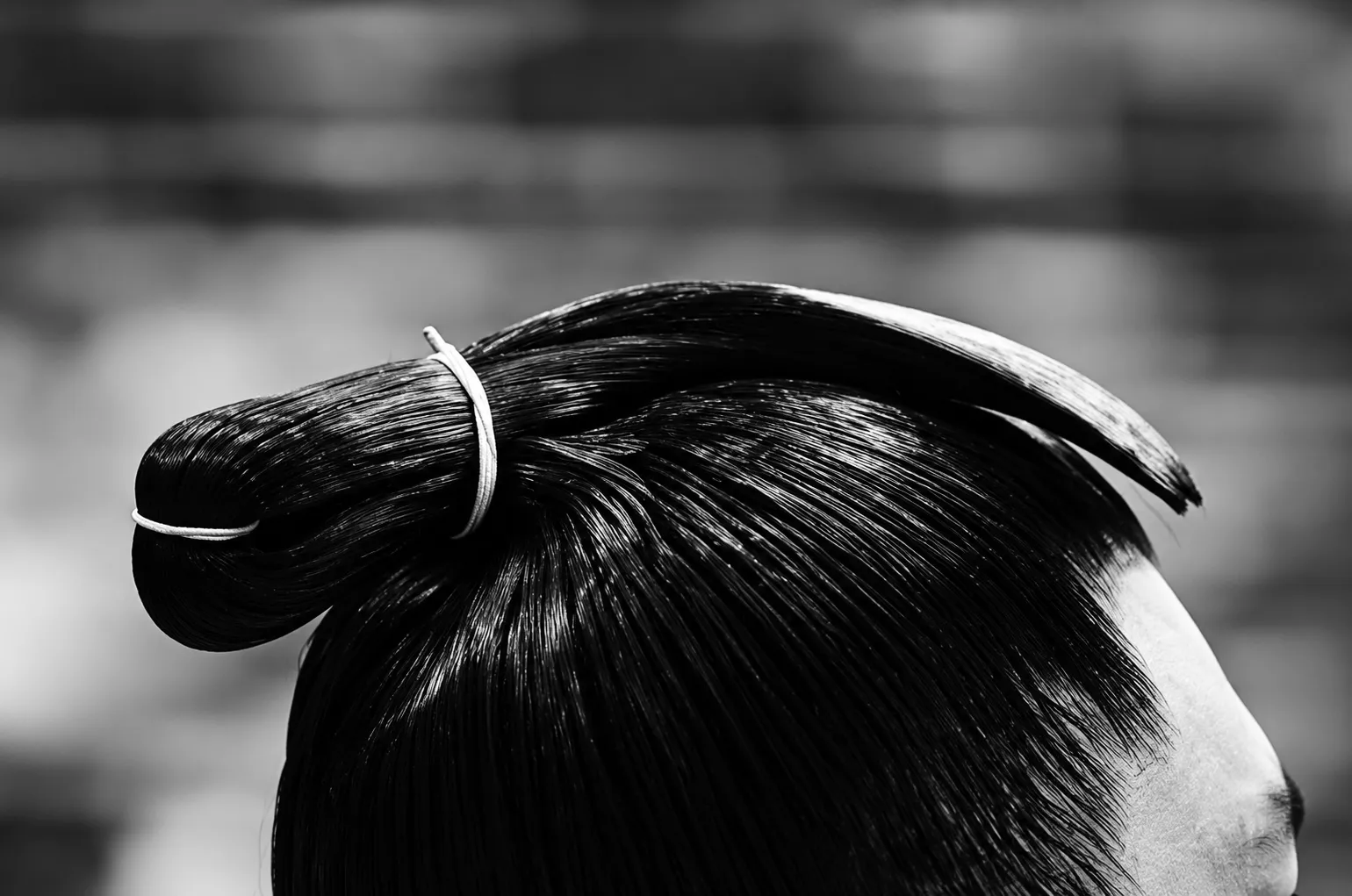
A sumo wrestler’s traditional hairstyle is called a mage. Who styles their hair?
Dedicated hair stylists called tokoyama craft these intricate hairstyles daily using specialized wooden combs and traditional wax.
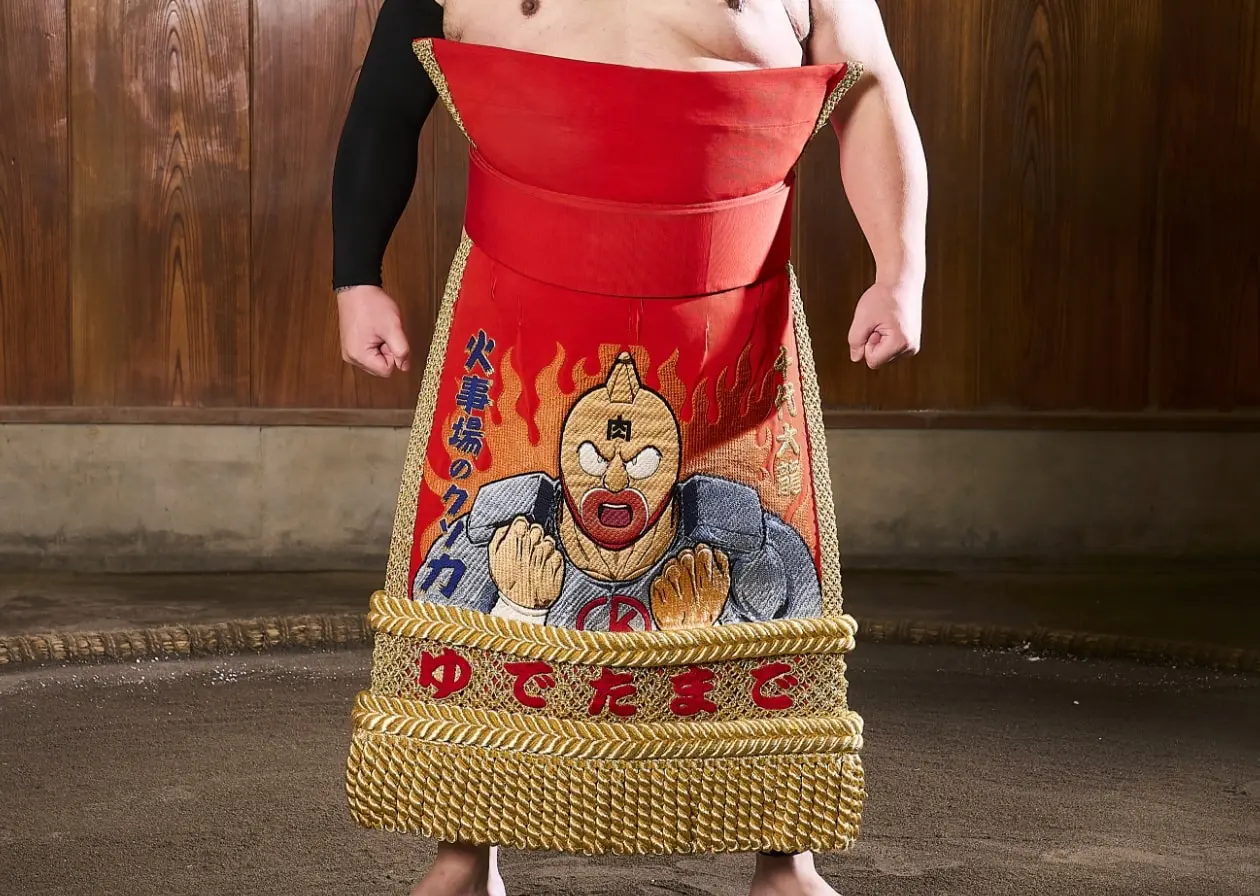
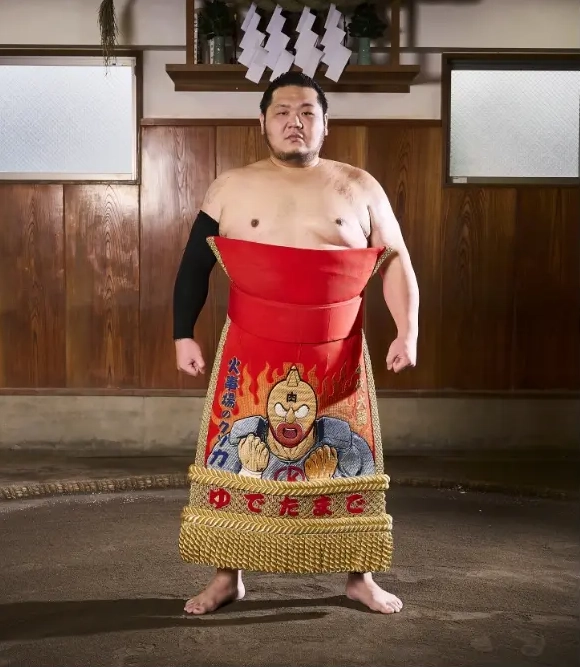
During ceremonial ring-entrances, top-ranked wrestlers wear vibrant, embroidered aprons.
What is that colorful apron?
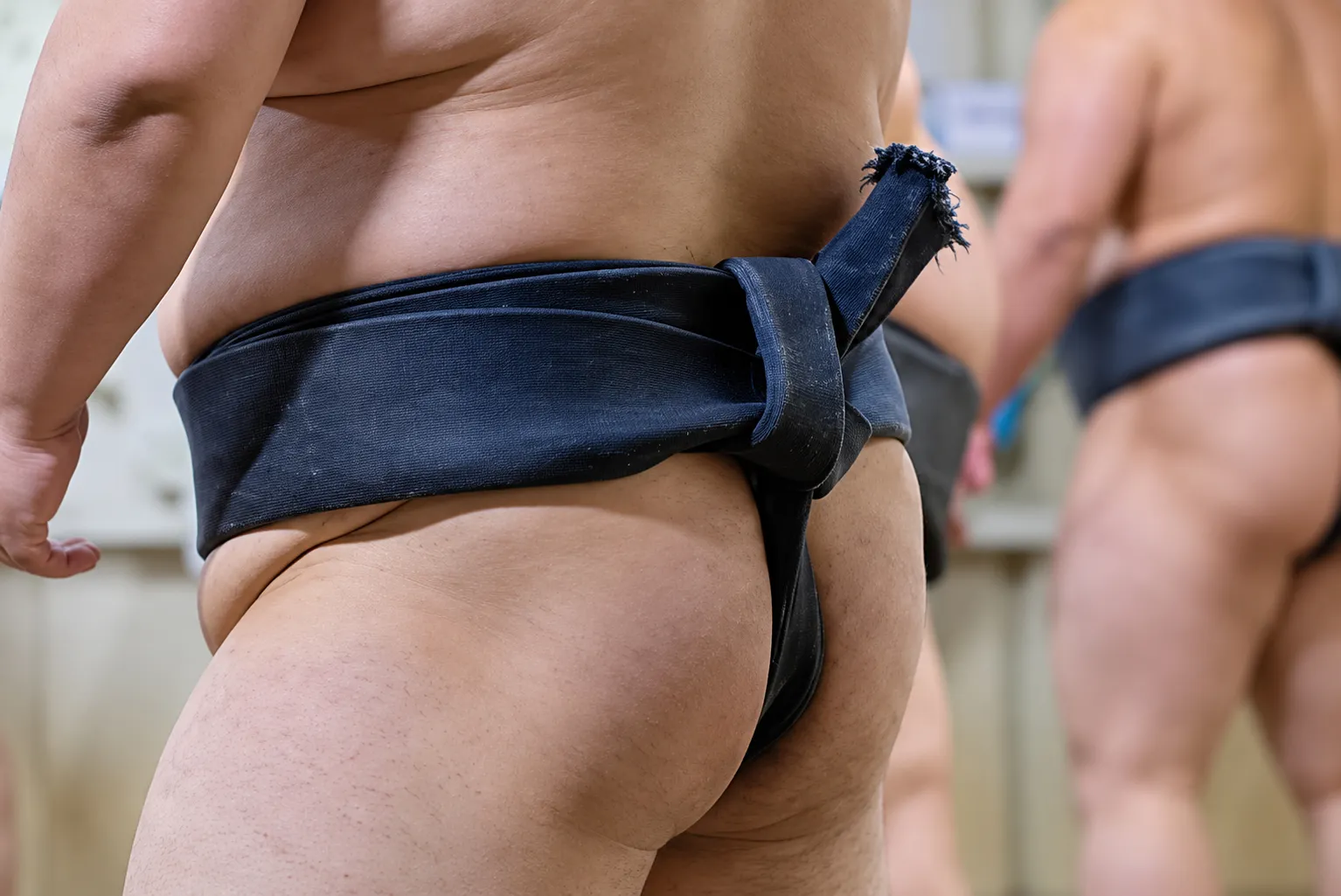
The belt worn by sumo wrestlers is called a mawashi. How long is a mawashi?
Now that you know
more about the world of sumo,
why not experience it live?
